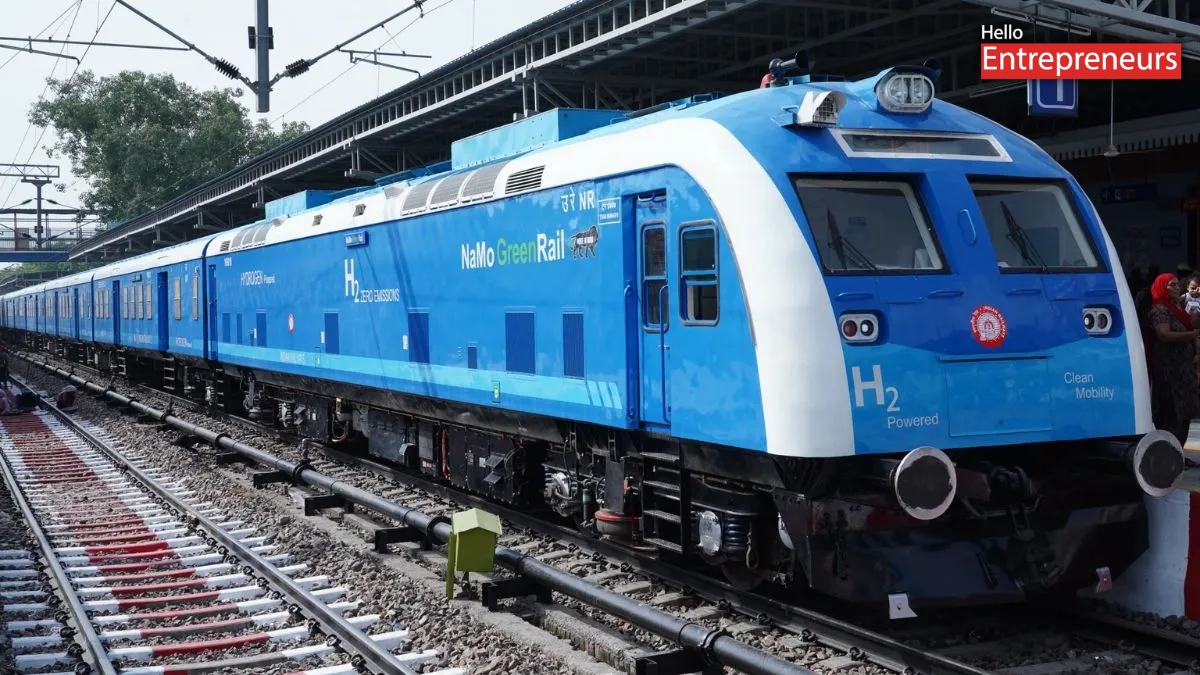








New Delhi: India has made a significant leap in the direction of a cleaner and greener mode of transportation with the introduction of the country’s first hydrogen-powered train. The first train was flagged off by Prime Minister Narendra Modi in Haryana on Jind-Sonipat route, which makes India one of the few countries in the world to have hydrogen powered rail services. This technology has also been in testing or use in other countries to combat pollution and dependence on diesel: Germany, Japan, China, and the United States.
हरियाणा के जींद में देश की पहली हाइड्रोजन ट्रेन को हरी झंडी दिखाकर गौरवान्वित हूं। स्वच्छ, हरित और आत्मनिर्भर भारत के निर्माण की दिशा में यह एक बड़ी उपलब्धि है। अत्याधुनिक टेक्नोलॉजी से बनी यह ट्रेन न केवल भारत की तकनीकी क्षमता का प्रतीक है, बल्कि पूरी दुनिया के लिए भी एक मिसाल… pic.twitter.com/U60mHgRezl
— Narendra Modi (@narendramodi) July 17, 2026
While the launch has excited those in the audience, numerous inquiries have come in from many, particularly those asking whether this train will, indeed, come to India and how the government will be able to profit from such an exorbitant project.
How does a Hydrogen Train work?
A hydrogen train produces electricity from hydrogen fuel cells, as opposed to a diesel train. The reaction of hydrogen in the fuel cell with oxygen from the air produces electricity that powers the heat motors of the train. This process produces only one waste product water vapor and so is one of the purest forms of rail transport available today. The new Hydrogen train holds two hydrogen operating units driving coaches and several other passenger coaches. It is well supported by a dedicated facility for hydrogen production and refueling in Jind that provides a continued supply of hydrogen.
Will it really work?
Yes, this is feasible, but it will take a while to build the technology throughout India. This train conducted several trials before being put into service for people. All of this has been cleaned up by Indian Railways, which has installed leak detection systems along with fire safety equipment, continuous monitoring technology, and hired personnel equipped to maintain hydrogen safety. As with any new technology, engineers will test the technology and eventually develop it further.
But hydrogen trains are by no means intended to phase out all diesel or electric trains right away. Indian Railways already operates one of the world’s largest electrified railway systems, and operating electric trains is still cheaper than diesel in India. Hydrogen trains are predominantly applicable on lines where the railway electric power is complex or impractical. The first train is believed to be a pilot project. If they are successful over the coming few years, Indian Railways may offer the same train on a few other non-electrified routes.
Is it expensive?
Yes. Hydrogen technology is more expensive than diesel and electric systems at this time. The manufacturing of green hydrogen, refueling stations, and fuel-cell technology will need significant investment.
New technologies typically cost a lot of money to start with. The electronics in solar panels, LED lights, and electric vehicles were also high on the initial rollout of these technologies. Generally, the costs will decrease as production rises with technological advancement. The National Green Hydrogen Mission has been established with the government’s vision of constraining pollution, decreasing reliance on foreign fossil fuels, and building the green hydrogen sector in India from a long-term perspective.
How will the government make revenue?
The government’s motive to invest in the hydrogen train is seen to be to make money from selling tickets to many. In fact, the shortfall is not just from ticket sales. Diesel saving in the form of cost savings is the largest value-added. Hundreds of crores are being spent annually by Indian Railways on the fuel consumed by trains running on non-electrified tracks. Fuel costs may become very substantial because of time-likely cost-decreases in hydrogen. The other benefit is greenhouse gas reduction. The improvement of transportation services helps India fulfill its climate change commitments and might draw in green investments and climate funding from abroad.
The project can also develop new industries. The production of hydrogen, the manufacturing of fuel cells, the construction of storage systems, and infrastructure for refueling will lead to job creation and increased private sector investment in green technology. Looking ahead, if Indian firms become dominant in the production of hydrogen rail vehicles, exporting these vehicles, hydrogen fuel-cell systems, and equipment to others would offer further economic opportunities to Indian firms.
A long-term investment
The idea of running the first hydrogen-powered train in India should not be seen as a profit-driven one. It isn’t merely an investment in cleaner transportation, technological innovation, and energy security; it’s an investment for the long haul.
The success of the project will rely on the hydrogen generation’s cost and reliability, government support, and future expansion plans. These challenges can be addressed effectively, and hydrogen-powered trains could play an integral role in making sustainable transport a part of India’s future agenda for the next few years. At this time, the train is a significant first step. These may not make Indian Railways a completely green system today, but with advanced green technology involved, it could help India’s rail system move towards better days.