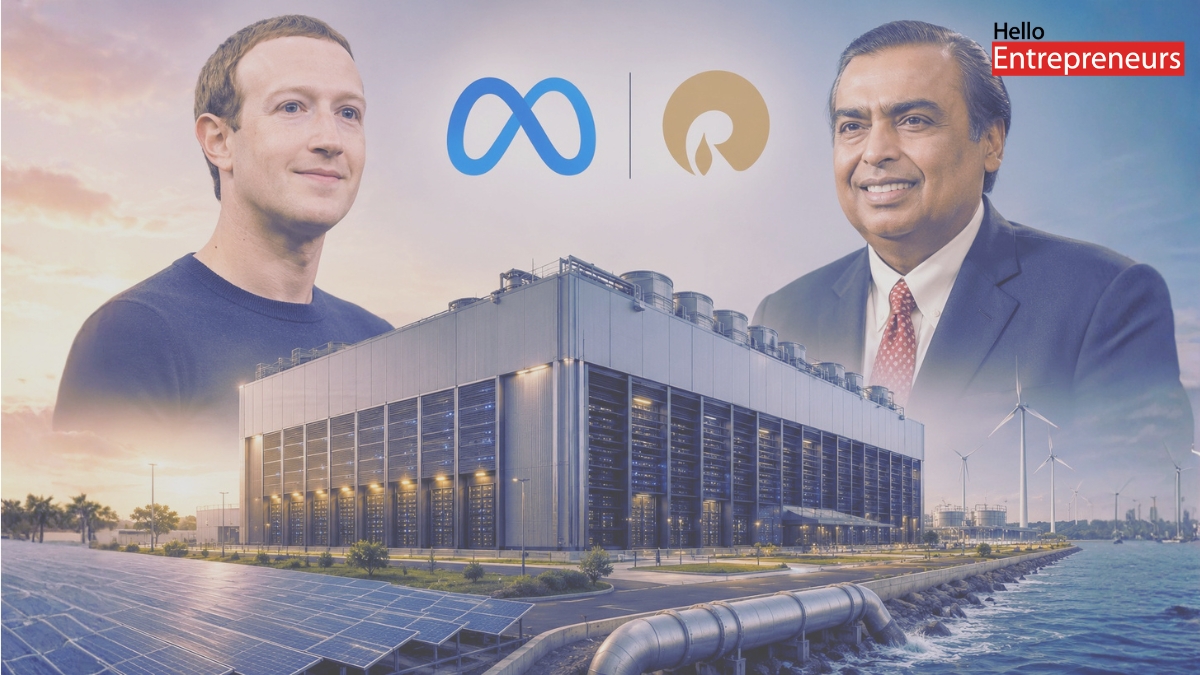








Meta and Reliance Industries just announced they’re teaming up to build a huge, 168-megawatt AI data center in Jamnagar, Gujarat. This is Meta’s first custom-built data center in India, and honestly, it’s a big deal for the country as it keeps ramping up its tech infrastructure. Reliance is in charge of designing, building, and running the facility. Meta’s leasing it, with the option to expand if they need more muscle later. The center will run on renewable energy and use desalinated seawater for cooling, which lines up nicely with Reliance’s larger goals to push green energy and massive data capacities in the area.
Meta’s CEO, Mark Zuckerberg, pretty much summed it up, saying they’re excited about partnering with Reliance on this world-class project in India, which will help them scale their AI infrastructure globally and show they’re serious about investing in India’s economy. But there’s more to this than just one building. This new project deepens the ongoing relationship between Meta and Reliance. Back in August 2025, they launched a joint venture called Reliance Enterprise Intelligence Ltd. It focuses on enterprise AI solutions using Meta’s Llama models. Reliance has a 70% stake, Meta holds 30%, and they put in about Rs 855 crore at the start (that’s roughly $100 million). Their JV aims to give Indian companies easy access to ready-to-use AI services across sectors Reliance dominates—retail, telecom, finance, energy—so businesses can adopt generative AI tools tailored for local needs without the hassle.
Why Jamnagar? Well, it’s become Reliance’s playground for clean energy and data center development. Mukesh Ambani, Reliance’s chairman, has been pushing for huge, AI-ready data centers powered solely by the company’s green energy assets. He promised to invest Rs 7 lakh crore in Gujarat (that’s massive), focusing on clean energy and data, and sees Jamnagar as a potential hub for exporting green energy too. This latest facility will tap into Reliance’s local energy plans and use desalinated seawater for cooling—which is smart, since Jamnagar is pretty dry, and it helps save precious fresh water while keeping costs and environmental concerns down.
And really, the timing couldn’t be better. India’s demand for cloud and AI infrastructure is exploding. Industry analysts expect the country’s data center capacity to jump nearly 77% by 2027, hitting 1.8 GW, with $25–30 billion thrown at expansion by 2030. Global cloud players are pouring money into India, trying to capture its huge digital economy. Meta currently serves Indian users mostly from centers in Singapore, but building locally means less lag for the billions of Indian users, cheaper transmission, and easier handling of AI-heavy tasks right where they’re needed.
There’s also a big strategic and regulatory angle. India’s getting stricter about where data lives and how it’s protected—so having local centers helps companies like Meta stick to the rules, boost performance, and handle public policy concerns. For Reliance, it’s another feather in their cap, showing they’re ready to partner with global tech on integrated energy and data solutions. Analysts believe this could kick off a wave of similar deals. Hyperscale tech firms want local partners to help them grow quickly and hit sustainability goals. An expert put it plainly: leasing AI-optimized capacity from an Indian energy and infrastructure leader could take off across India’s coastal industry zones.
Reliance says the Jamnagar center will roll out in stages, starting with AI workloads and room to expand as demand picks up. We don’t have the full construction timeline or exact capital breakdown yet, but Meta’s lease arrangement is clear. Locally, this should create jobs for construction and operations, and give a boost to related sectors like power, water management, logistics, and manufacturing. Gujarat’s aiming to be India’s top data hub, so this investment helps them attract more tech and green manufacturing.
Looking ahead, you can see the bigger trend. Hyperscale and AI-focused cloud players keep expanding nearer big user bases, using local conglomerates to speed things up and stay green. Meta gets its foot in India’s infrastructure door, and Reliance moves closer to its dream of being a regional energy and data powerhouse.