



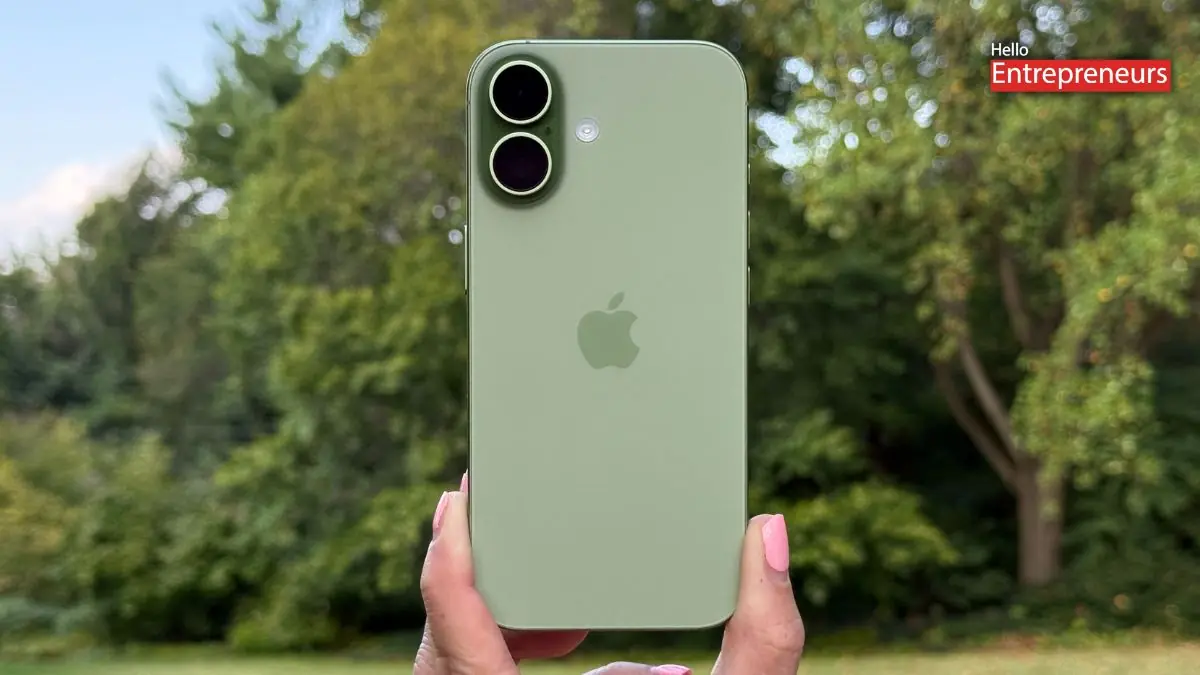
The iPhone 17 is everywhere right now, walk into any phone store, and users see it selling like crazy. People are buying it in India, people are buying it globally, and the shelves are emptying fast. Users been using this phone extensively, and we need to tell users what we have learned. Because while everyone’s calling it the best phone of the year, there’s more to the story. Especially if users are in India, where users have some excellent Android alternatives at similar prices, should users pick the iPhone 17, or should users consider the OnePlus 15, iQOO 15, Oppo Find X9, or Vivo X300 instead? Let’s talk about it.
Design
If Apple didn’t offer new colour options, users will struggle to tell the iPhone 17 apart from last year’s model. It’s the same candy bar design with that vertical dual-camera setup and frosted glass back. But don’t let the familiar look fool user this thing is seriously tough. Apple’s new Ceramic Shield 2 protection is supposed to be the most scratch-resistant display it’s ever offered. In practice? It’s pretty good. Users been using mine without a screen protector, and while there are some micro-scratches if users look closely, it’s held up remarkably well. That said, given how much users are spending, we recommend slapping on a screen protector just to be safe.
Despite multiple drops, the phone looks practically new. At 177 grams, it’s also surprisingly light, which is why our video team has adopted it as their go-to camera for shooting content. The IP68 rating adds peace of mind, too. As for those extra buttons? The camera control button that Apple made such a big deal about? Nobody in our office uses it. The action button mainly serves as a mute switch. Nothing revolutionary there.
Display
This is where Apple finally listened. The iPhone 17 sports a larger 6.3-inch display with a 120Hz refresh rate yes, users read that right. No more being stuck at 60Hz like some phone from 2018. It’s an LTPO panel, the same one used in the pricier iPhone 17 Pro, which means users get those slim bezels and excellent outdoor visibility.
HDR content looks stunning with Dolby Vision support, and honestly, this display now matches what Android flagships have been offering for years. It’s about time. The dual stereo speakers punch above their weight, too, they’re surprisingly good for such a compact phone, holding their own against bigger devices like the OnePlus 15 and iQOO 15. Just don’t expect high-res Bluetooth codec support like LDAC or LHDC that’s still missing on all iPhones.
Performance and Battery
The A19 chip inside the iPhone 17 delivers solid performance, excellent stability, and impressive power efficiency. Is it faster than the Snapdragon 8 Gen 5 in Android flagships? No. Will most users notice? Absolutely not. Gaming performance is excellent users can play Genshin Impact at 120 FPS, and the iPhone has access to way more AAA titles than Android. Assassin’s Creed Mirage averaged nearly 30 FPS, which matches last year’s A18 Pro performance pretty impressive stuff.
Battery life benefits from that efficient chip, delivering about 8.5 hours of screen time from a relatively small battery. Imagine what Apple could achieve with a larger silicon-carbon battery like Android phones use. Still, phones like the OnePlus 15 offer better battery life simply because they pack much bigger batteries. And let’s not even talk about charging speeds Android flagships charge way faster, both wired and wirelessly. That said, MagSafe remains one of the iPhone’s best features. The MagSafe ecosystem is unmatched from portable chargers to that cool Switch-style controller attachment. It’s these little things that keep people in Apple’s orbit.
Cameras
Here’s where things get complicated. The iPhone 17’s cameras are reliable and produce excellent results, but they lack the versatility of Android competitors. There’s no periscope telephoto lens, just a 2x crop from the primary sensor that Apple calls “lossless.” It’s decent, but not a replacement for actual optical zoom. The primary camera shoots 24MP photos by default, but it oversharps images in daylight. Low-light performance is acceptable but not class-leading, given the smaller sensor compared to the Pro models. we also noticed lens flare and chromatic aberration issues problems Apple really needs to address.
The selfie camera is genuinely impressive, though. That new 18MP sensor can capture landscape shots in portrait orientation, giving users more room to fit people in. It’s one of my favourite additions this year. Here’s the shocker: video recording, traditionally Apple’s strongest suit, no longer dominates. The Vivo X300 actually produces better video quality in both daylight and low light. We’re considering switching from iPhone 17s to X300S for our content creation. That’s how much things have changed.
Software
iOS 26 is a mixed bag. When everything works smoothly, it’s one of the best mobile experiences out there. But the bugs this feels like an open beta test Apple is running on paying customers. Even after multiple updates, we’re still encountering weird issues: icon scaling problems, search glitches, and various other annoyances. As for Apple Intelligence? It redirects users to ChatGPT, which can creates more friction than it solve, not precisely the revolutionary AI experience Apple promised.
Final Thought
Compared to the iPhone 16, the iPhone 17 represents a massive improvement. At ₹83,000, it’s arguably Apple’s best value proposition in years. But rumours suggest the price might jump to ₹90,000, which would significantly change the math. Right now, there’s already a ₹10,000 gap between the iPhone 17 and alternatives like the OnePlus 15 or iQOO 15. If that gap widens further, it becomes really hard to recommend the iPhone purely on hardware and features alone. Phones like the OnePlus 15 and Vivo X300 offer better value, bigger batteries, faster charging, and more versatile cameras.
But here’s the thing: if users want an iPhone, none of that matters. The ecosystem, the longevity, the resale value these intangibles matter for them. And honestly? The iPhone 17 is a fantastic phone that won’t disappoint any users. It’s just not the obvious choice it once was when users start to compare it with dollar-for-dollar against Android’s finest. It is not very easy, and that pretty much sums up my relationship with iPhones these days. Great phones, sometimes rugged to recommend, but people buy them anyway and they’re usually pretty happy with that decision.

