



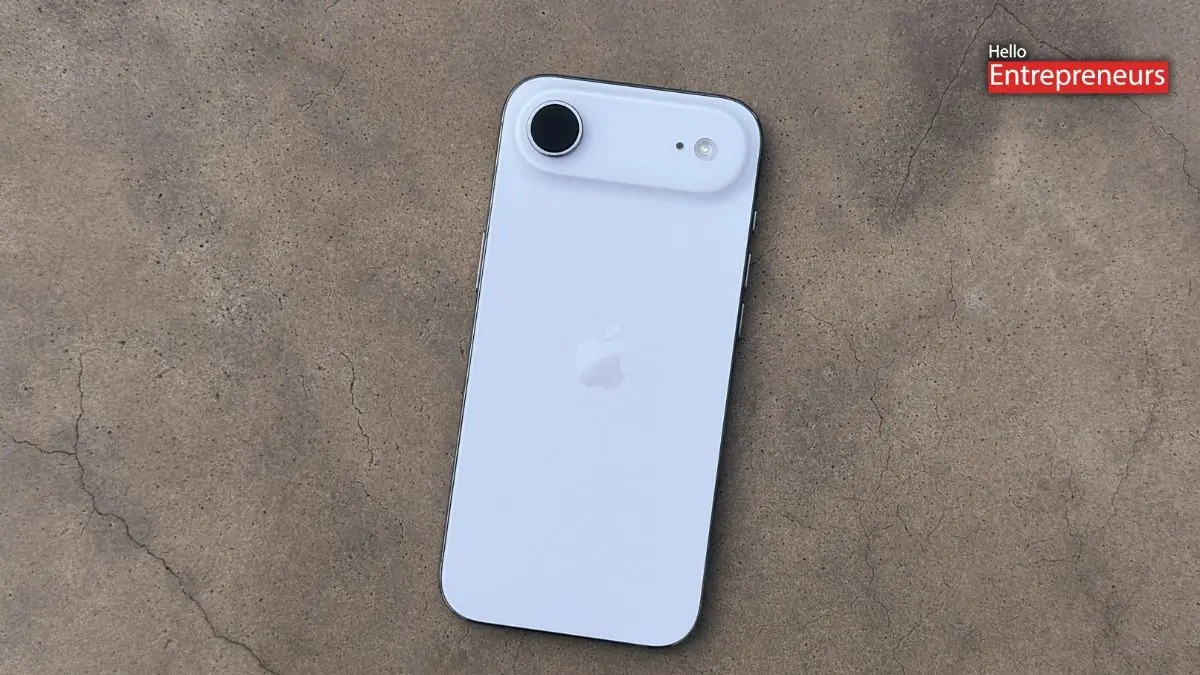
New Delhi: Apple is now reconsidering the future of its ultra-thin iPhone Air lineup, with plans to potentially release a redesigned second-generation model in spring 2027 featuring the dual-lens camera system. The move comes after the company indefinitely delayed the iPhone Air 2, which was initially scheduled to launch alongside the iPhone 18 Pro lineup in the fall of 2026. The redesign aims to address the primary complaint about the current iPhone Air, its single-lens rear camera, according to some sources, which state that some Apple engineers are pushing to equip the next-generation model with the 48MP Fusion Ultra-Wide camera alongside the existing 48MP Fusion Main camera, matching the dual-lens setup found on the standard iPhone 17.
The first-generation iPhone Air, which was introduced in September 2025 at a price of Rs 1,19,900, has struggled to gain traction with consumers. The device’s ultra-thin 5.6mm profile came at the cost of features buyers expect from the premium smartphones, including the second camera, stereo speakers, and physical SIM support, and with the only $100 price difference from the $1,099 iPhone 17 Pro, which offers a triple-lens camera system and significantly better battery life, many customers opted for the Pro model instead.
Digital Chat Station, the Chinese tipster, first suggested the dual-camera possibility, though implementing the change presents significant engineering challenges. Multiple technologies are currently housed in the iPhone Air’s distinctive horizontal camera plateau to maximise battery space, which means Apple would need to substantially redesign the device’s internals to accommodate a second lens.
And if Apple proceeds with the spring 2027 launch, the iPhone Air 2 would release alongside the standard iPhone 18 and budget iPhone 18e, following Apple’s reported latest split launch cycle. The iPhone 18 Pro models and Apple’s first foldable iPhone are expected to debut in the fall of 2026. However, the given extensive redesign required and the first generation model’s poor market performance, Apple’s plans remain fluid and could change as development continues.

