







Hype sells? Sometimes, every time, or maybe just. For the management at Superdry, a British fashion label, hype represented the salesman who was expected to bring in most of the orders, and continue to do so, like a robot.
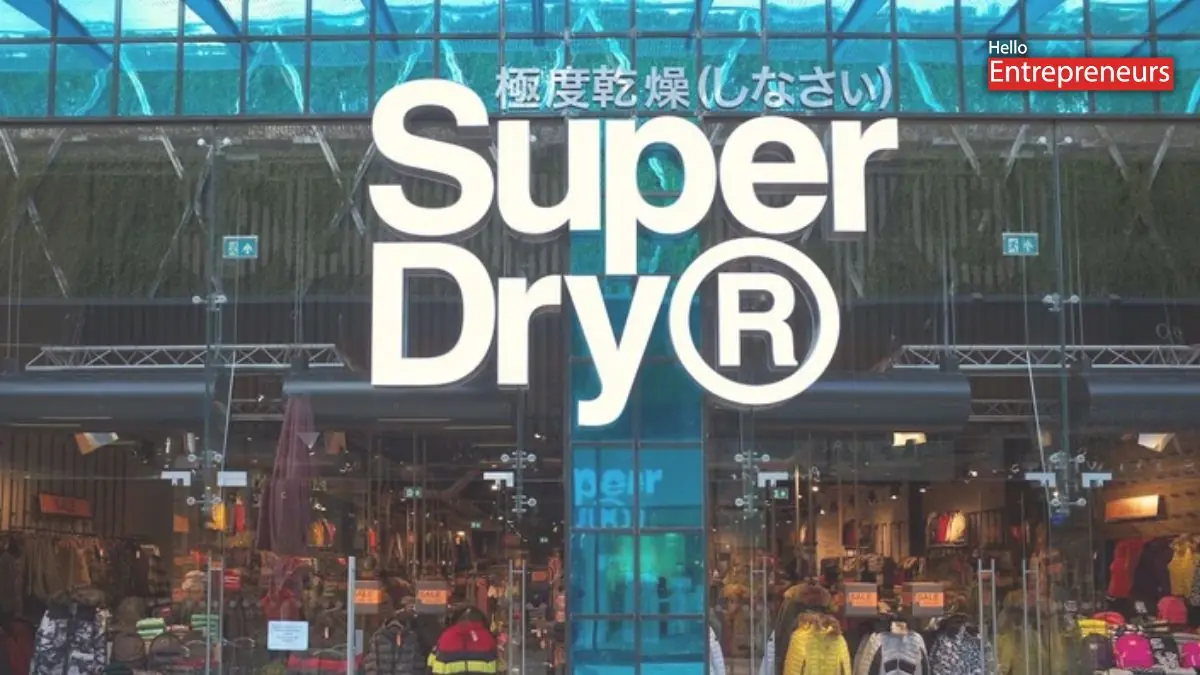
In the early 2000s, the company was the poster child of the UK’s startup ecosystem, much before e-commerce was considered a threat to organized retail. The company offered a unique take on fashion- marrying British and American tailoring standards with Japanese text, even though the brand never entered Japan.
The rise
The brand was co-founded by designer James Holder and Julian Dunkerton in 2003, when the first Superdry store opened in London. Back then, the company started by offering graphics-based casual wear- hoodies, tees and leather jackets that started to become quite popular with the youth.
By 2007, the company was growing at a breakneck speed, with the company spending heavily on advertisements and opening e stores. The brand become a ‘must have’ premium accessory, with everyone from Leonardo DiCaprio, Kate Winslet and David Beckham sporting the brand. In fact, David even said Superdry was one of his favourite brands, with the ‘Brad’ leather jacket he wore becoming a sensation, flying off the shelves across the UK.
The brand usually stood out, thanks to its distinctive design language using highly prominent graphics for its range of products that mostly resonated with young, trendy customers. They cleverly used celebrity endorsements to expand its reach further, with things looking promising enough for a successful stock market debut in 2010 on the London Stock Exchange.
The trough
After listing, the company grew even bigger, with the Superdry label becoming a status symbol for millennial’s Facebook photo albums. The company was expanding aggressively, with the owner James Dunkerton, handing over the business to a new CEO, Euan Sutherland.
At its peak the company was valued at £1.6bn in January 2018.
But things weren’t the way they should have been.
That same year, in October 2018, the company issued a profit warning- with just 52% of the clothes being sold at full price! Following this, shares crashed 20%. The company had stretched itself too thin, focusing on growth at any costs, while prices stayed low.
Spooked, Dunkerton tried to get back to the boardroom. Amid the blame game, Dunkerton got back to the board in March 2019, but things weren’t going to be easy.
Reasons for its downfall
The company was highly reliant on logo-based hoodies and graphic-based items as its brand identity. It also used Japanese manga characters on the logo, to give the brand an exotic look. But the brand’s identity wasn’t expanded, leading to its overdependence on logos and related graphics leading to brand fatigue. Moreover, being over-optimistic about future sales projections was a crucial error, where the autumn-winter range of 2018 didn’t sell the way it should’ve.
In order to meet its revenue targets, the company relied too much on discounts, reducing the premium appeal of the brand. Other fast fashion brands like Zara and Asos took their place by then, which were largely selling their products online.
The resurrection
Even though the brand managed to refresh its stocks, it had already lost its relevance.
After years of struggles, the company managed to pull off its recovery by 2022. Revenues were up 3.6% from the year before, but slowing demand and higher cost of living hampered its recovery.
At the same time, the company executed a restructuring plan in June 2024, closing 47 unprofitable stores, securiing rent reduction on 36 others, and eventually delisting on July 15,2024. It then re-listed as a private company, and returned to a profit in FY25 with a Profit After Tax (PAT) of £50.5million.
Despite the challenges, Superdry’s windcheaters, jackets, graphic tees and hoodies are quite well known for its superior fit and value-driven solutions, particularly with teenagers and college going students.
Going ahead, the company is now looking to cut costs further, while also trying to re-negotiate the rent for its existing stores across the UK, especially in posh areas. Besides that, it has also expanded its presence in India, in collaboration with Reliance Retail.
Lessons to learn
For brands in the highly competitive apparel niche, Superdry is the perfect case study when the focus is on growth and not profitability. For them, hype offers a mirage of sustained growth, with the hope that it’ll last forever, but it seldom does. This is a trap many brands still make, as they try to undercut the competition with lower margins but higher volumes, assuming hype will sustain their sales. In most cases, this does not work, as customer demand is limited, and supply can be unlimited. The brand’s reputation matters here, while trust is created from authentic, consistent brand recall, while ensuring the quality is maintained always.