



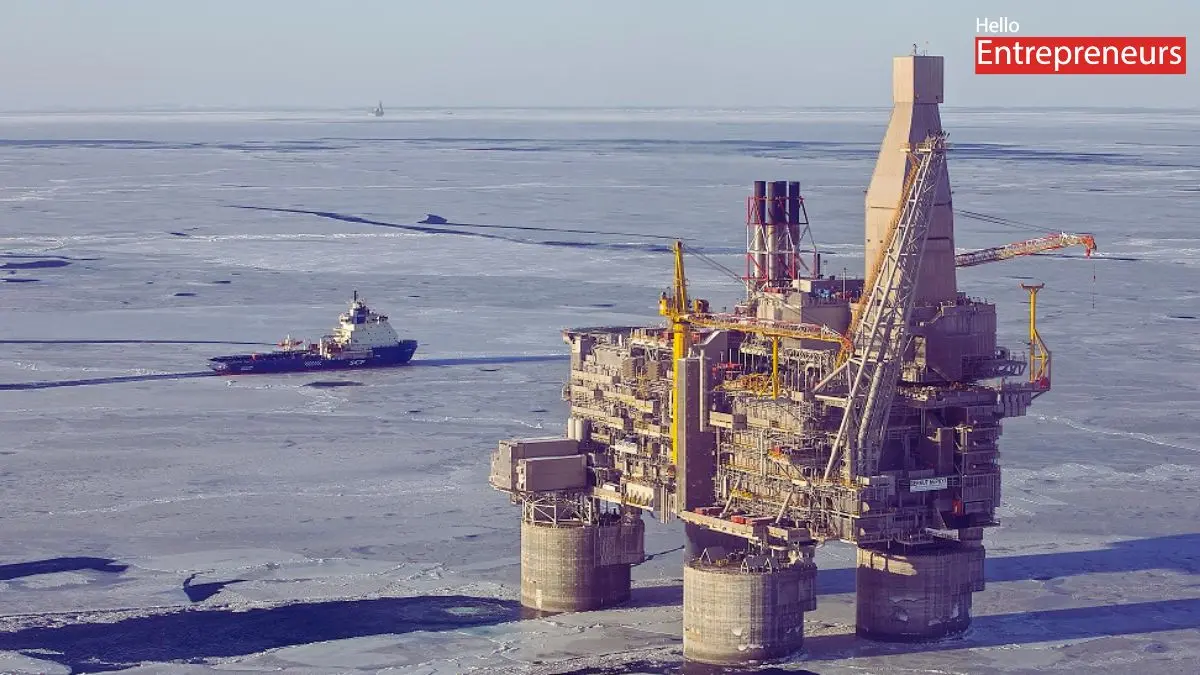
India imports 85% of the oil it needs. Before 2023, most of it came from the Middle East. Despite regular geopolitical challenges, Gulf countries like Iraq, Saudi Arabia, UAE and Qatar continued to supply India with the fuel that runs our economy. Russia’s invasion of Ukraine changed all of that.
The subsequent tariffs designed to punish Russia changed that, or rather, complicated the global oil supply chain.
Russia has been flooding the market with discounted oil to skirt the sanctions, and India has been the prime beneficiary of this opportunity. From just under 3% to over 50%, India has been one of the largest buyers of Russian crude, alongside China, Brazil, Turkey and the EU.
This has been a win-win situation so far for India, but not until Trump used it as an excuse to slap his arbitrary, unreasonable 50% tariffs on Indian exports to the United States.
The tariffs are now live, and the US is demanding India scale back its energy imports for a reconsideration. Analysts think otherwise.
“If India were to diversify away from Russian oil, it really won’t affect India’s macro fundamentals. Those discounts are down to a few dollars. India’s got a low current account deficit, and inflation is low. It doesn’t shake our macros. But think of the broader global impact. If that demand is suddenly transferred to the open market, other countries are going to struggle to meet that supply,” Dr Sajjid Chinoy, Managing Director and Chief India Economist at JP Morgan said in a TV interview.
India currently imports nearly 1.8 million barrels per day from Russia, accounting for almost 36% of India’s total crude imports. But given India’s immense demands, meeting this from alternative sources isn’t possible.
“Neither OPEC nor US shale has the capacity to ramp up 1.7 million barrels a day. So what’s the impact of that going to be? Much higher global crude prices that could touch $90 a barrel or higher, which is a bad thing for the whole world,” Chinoy warns.
In a series of posts on Truth Social, US President Donald Trump has accused India of indirectly funding Russia’s war with Ukraine, and the tariffs seem to be a punishment for that.
Before the tariffs came into effect, India had been negotiating for a trade deal with the US that addressed their concerns, but the negotiations stalled due to India’s refusal to allow US agricultural imports. India’s negotiations have stalled even as China, Vietnam, and even Pakistan have sealed trade deals with the US to skirt the threat of sanctions.
Almost all of India’s exports now attract 50% tariffs, leaving just smartphones, pharmaceuticals and a few other items off the list. India has to seek a solution to this challenge urgently.
“The starting point is that about 1% of India’s GDP is exposed to tariffs in the US. A lot of this is in labor-intensive sectors, textiles, leather, gems and jewelry, footwear. At 50% we become much less competitive than our peers in the region, who face more like 20 or 25%. Then of course there’ll be a knock-on impact on consumption and employment, and if this persists for a while, then of course the tertiary impact will be on investment,” Chinoy acknowledges.

