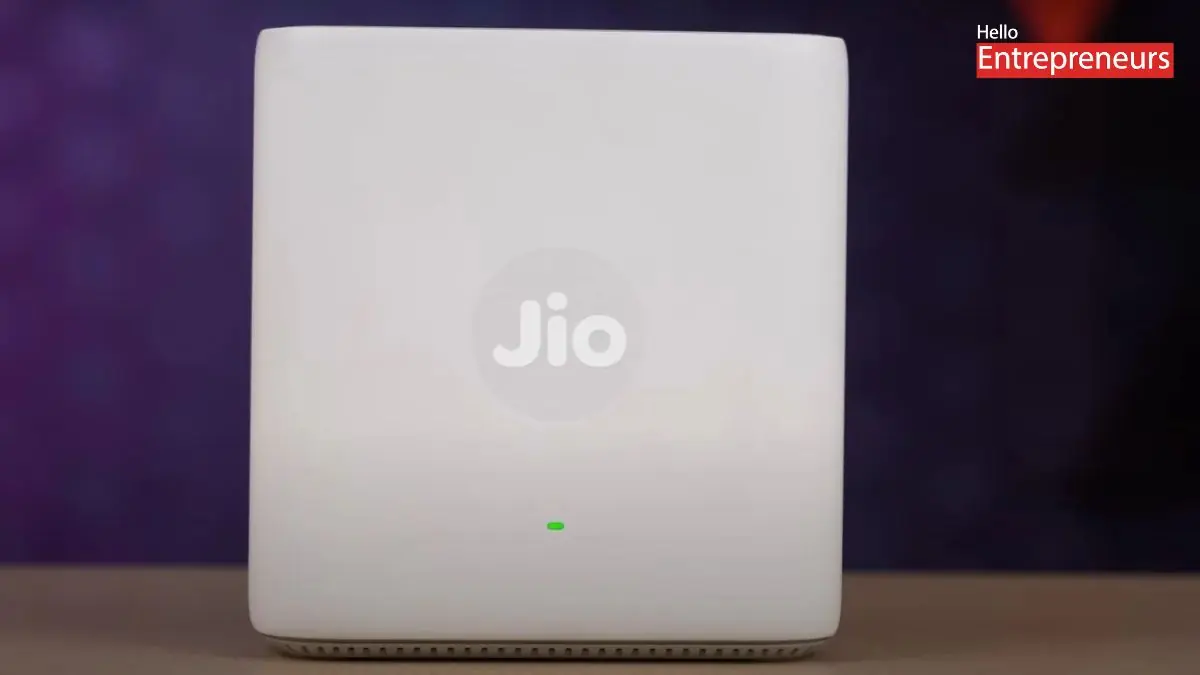








New Delhi: Reliance Jio has introduced a new networking product for their router users, the AX6000 Wi-Fi 6 router, bringing top specifications to the Indian market. It is designed to deliver up to 6 Gbps of wireless speed, the router supports the Wi-Fi 6 standard, MU-MIMO, and OFDMA, making it ideal for large homes equipped with smart TVs, IoT devices, security systems, and gaming consoles.
The router offers up to 2,000 sq. ft. of coverage, and with TrueMesh support, users can extend the signal using compatible Jio Wi-Fi extenders; at a price tag of Rs 5,999, the AX6000 is competitively positioned for smart homes and high-speed households.
Despite being marketed as a Universal Router, the AX6000 comes with a critical limitation: it only supports IP over DHCP. This means that ISPs using the protocols like PPPoE or IPoE are not compatible.
For the users subscribed to such services, the router won’t connect, regardless of its strong hardware features. This undermines universal branding and could lead to confusion and dissatisfaction among consumers who are unaware of the protocol requirements that users want.
The AX6000 plays an essential role in Jio’s broader digital ecosystem. With JioFiber, OTT services, smart devices, and now in-home network control, Jio is aiming to offer a seamless smart home experience. By bundling high-end routers with mesh support and maintaining aggressive pricing, Jio is striving to become the digital backbone of Indian households.
If the user’s internet provider uses the DHCP protocol, the AX6000 could be one of the best-value Wi-Fi 6 routers on the market. Its fast speeds, mesh compatibility, and smart home features are perfect for modern homes. However, if the user’s ISP still operates on PPPoE or IPoE, this router won’t work for them. And that makes the universal label misleading.