



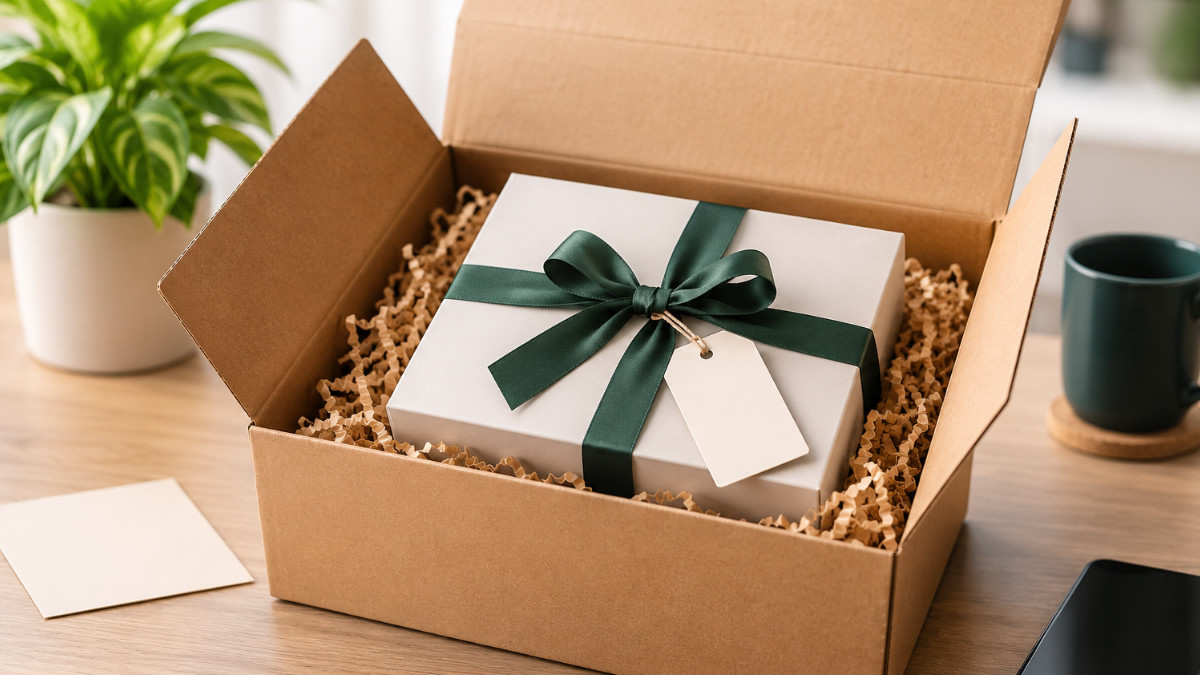
New Delhi [India], November 23: A D2C founder controls almost nothing about the delivery experience. The courier’s timing, the doorstep handover, the condition of the van — all outsourced. What the founder controls completely is the thirty seconds after the customer picks up the parcel. That half-minute is the only physical touchpoint a digital-first brand ever gets, and the brands that grow on repeat orders treat it as a designed experience, not an afterthought in brown tape.
Why the box outperforms the ad
Think about where attention is cheapest. A founder pays for every impression on Meta and Google, at rising auction prices, for a fraction of a second of scroll-past attention. The parcel, by contrast, arrives with the customer’s full attention already paid for — they ordered it, they waited for it, they are holding it. Unboxing moments get photographed and shared without being asked, which is organic reach no ad budget produces. The box is the one ad your customer opens voluntarily.
The hierarchy: protect, then delight
New founders sometimes over-rotate on aesthetics and ship beautiful boxes that arrive crushed. The order of operations is strict: structural integrity first, presentation second. Get the size right so the product cannot shift, choose board strong enough for the product’s weight, and only then spend on the look. A premium-looking box that arrives dented damages the brand more than a plain one that arrives perfect.
Start simple: colour and structure before custom print
Full custom printing has minimums that early-stage brands shouldn’t force. The practical ladder looks like this: begin with well-made plain mailers plus a branded sticker and a thank-you card — nearly zero setup cost. Step two is stocked colour mailers — Parul Packaging, a Surat factory supplying D2C brands pan-India, keeps ready sizes in brand colours — which lift perceived value without print minimums. Step three, once volumes cross a few hundred parcels a month, is full custom printing with your logo and interior art. Each rung pays for itself before you climb the next.
The insert is free real estate
Whatever goes inside the box rides at zero marginal shipping cost. A card with a genuine founder note outperforms a generic discount flyer; a QR code to a how-to-use video reduces support tickets; a small surprise — a sample sachet, a sticker sheet — is what customers actually post about. One rule: the insert should feel like a gift, not a pitch. Customers can tell.
Measure it like a channel
Treat packaging like any other growth channel with its own metrics. Track repeat-purchase rate before and after a packaging upgrade, tag social mentions that feature the parcel, and watch ‘damaged on arrival’ complaints per thousand orders. Founders who run the numbers usually find the upgrade pays back within a quarter. Factory-direct ordering has made the economics friendlier too — catalogues like www.parulpackaging.com now offer small-batch custom sizes, GST billing and quick-turn dispatch, so experimenting no longer means committing to five thousand pieces.
The founder’s checklist
Before your next packaging order, answer four questions. Does the box fit the product within a couple of centimetres? Would you be happy to see this parcel photographed on Instagram? Is there one thing inside that a customer might mention to a friend? And does the whole unit — box, fill, insert, tape — cost a defensible share of order value, typically in the single digits? Four yeses and your packaging is working as marketing.
D2C brands spend fortunes engineering the pre-purchase journey and leave the post-purchase moment to chance. The founders who flip that — who design the box with the same care as the landing page — buy themselves a marketing channel that competitors scrolling past on ad dashboards never see.