



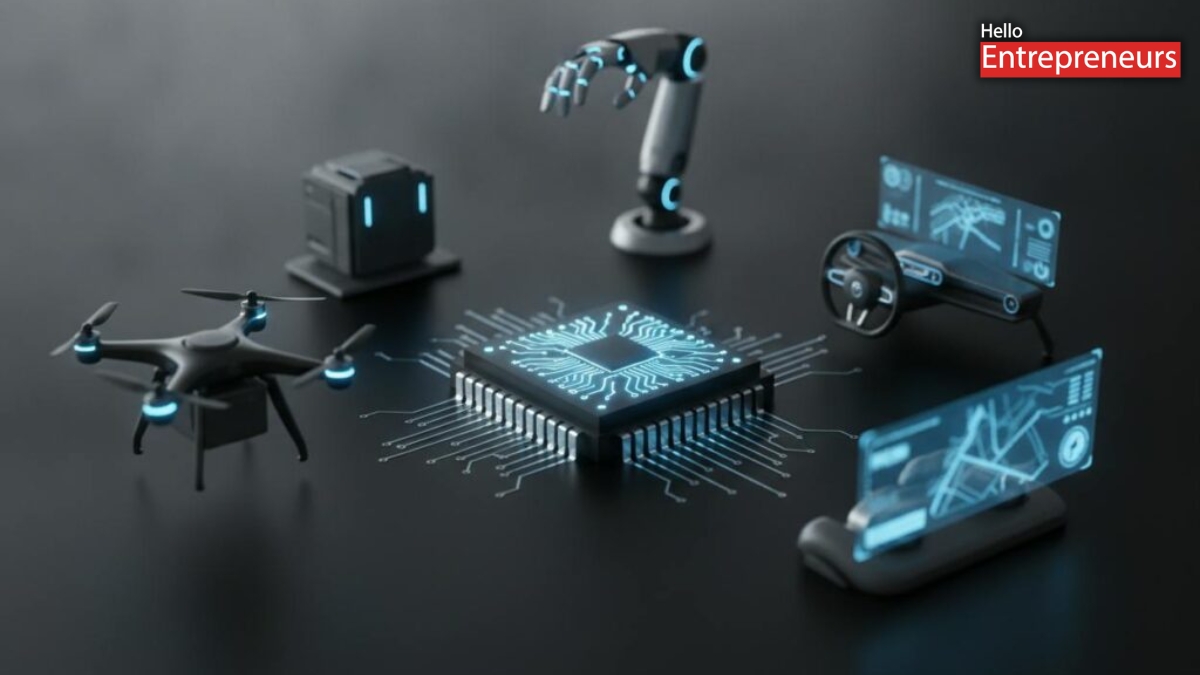
It’s quite easy to spot the pattern while walking through any electronics store. Laptops are equipped with the ‘AI’ stickers. Phones promote AI cameras. From television sets to washing machines, up to toothbrushes, artificial intelligence has taken over their lives. Many shoppers have the question, why does a toothbrush need it?
The general answer, according to analysts and industry observers, is that the advantages to bring AI into existence are greater than those to consider whether anybody wants it.
Pressure from investors
Multiple businesses that tout their AI capabilities have tended to see a boost in their stock prices since 2023. Now it’s a means of informing investors that a company is keeping pace if they mention it on an earnings call. Product teams, in turn, feel compelled to release a product tagged with this label, regardless whether it is a real solution to a real problem.
There is considerable fear of falling behind. The future uses of AI are unknown and no business would want to be the “loser” that hasn’t integrated it into its services. The more general the addition of AI, the lower the price, and that’s the bet.
A market short on new ideas
Over the past several years, smartphones, laptops, and home appliances have made pretty minimal advances. When the model is very similar to last year’s, it gives marketers a new calling card to promote for an update, and sometimes a price increase.
Chip makers join in the pressure. The titans of technology now embed neural processing units into their processors: Nvidia, Qualcomm, Intel and AMD. After the hardware is in the device, there are software features that the manufacturer can add to it, which may be created after the silicon has already been developed.
Subscriptions and data
The total sum of money is more than the face value.The total amount of money is greater than the face value. Many features are dependent on an AI subscription, an account on the cloud, or integration into a company’s ecosystem. Even the smallest of features can generate recurring revenue, or create usage statistics that later prove valuable.
The pressure comes from within companies. The executives set goals to “add AI”, and team members are incentivized to ship features instead of solve customer issues. This is a toothbrush with AI branding, a refrigerator with AI design, and so on, which most people did not seek.
Some of it works
Not all AI features are hacks! Real-time enhancements to photo cleanup, voice recognition, live translation and noise cancellation were among the benefits that were made possible by on-device processing and that many users use on a daily basis. Unfortunately, these helpful tools join the other (unhelpful) ones and give the whole class a forced look.
A familiar cycle
Technology has always been around before. “Smart” gadgets, Internet of Things and 3D televisions all had their ups and downs, and the use of any of these was sold as a new hot thing before the applications were realized. The feeblest ones died when the price for paying more for them was eliminated.
This could be decided upon by consumers. Buyers can avoid the AI branded premium, select devices that have features you can turn off, and see if a feature is based on an offline app or requires a paid plan. When companies receive a strong signal, it’s the sales numbers.
So, for the moment enjoy it as it keeps coming. It is up to whether the features behind them will be adopted to humans’ lifestyle or not to determine whether they can survive or not.

