



1. You spent over 15 years at Mondelēz India, working on brands such as Cadbury Dairy Milk, Silk and Five Star. What was the moment when you realised you wanted to move from building established FMCG brands to building your own food startup?
My 15 years at Mondelēz gave me a deep understanding of how to build brands, understand consumers and create products that become part of everyday lives. But somewhere along the way, my priorities began to shift. Becoming a mother made me look at food differently, and I started questioning why convenient packaged foods and good nutrition often seemed mutually exclusive. I realised there was an opportunity to bring my FMCG experience to a problem I personally cared about. Gladful was my chance to build something from the ground up, with a clear purpose.
2. Gladful was born out of a personal experience when your child was diagnosed with nutritional deficiencies. How did that experience change the way you looked at packaged foods, and what made you believe there was a larger business opportunity in solving this problem?
When my child was diagnosed with nutritional deficiencies, I became much more conscious of what went into everyday meals. I realised that while parents wanted convenient food options, most packaged choices did not adequately address their nutritional concerns. At the same time, preparing everything from scratch every day was not practical. This highlighted a larger gap. Millions of parents were navigating the same challenge. I saw an opportunity to create foods that combined convenience, taste and better nutrition without asking families to change their everyday eating habits.
3. India’s packaged food market is filled with products marketed as healthy, high-protein or nutritious. What does genuinely better-for-you food mean to you, and how does Gladful ensure that its products deliver on that promise?
For us, better-for-you food is not about chasing a single nutritional claim or adding protein to everything. It starts with the ingredients, their nutritional value and how they come together in the final product. We focus on using ingredients such as sprouted legumes and millets, while being mindful of added sugar, preservatives and other unnecessary additives.
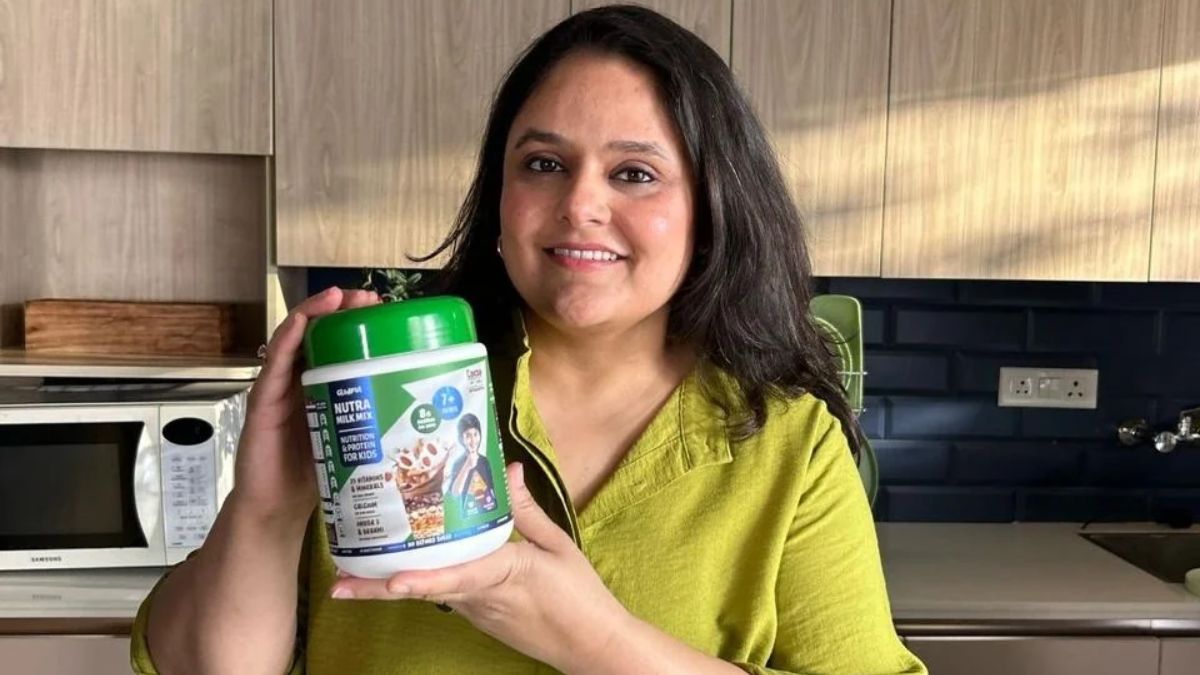
We also believe nutrition only matters if people enjoy eating the food. Every product must deliver on taste, convenience and nutrition. That is how we approach product development at Gladful.
4. Gladful’s philosophy is “Everyday Foods Made Better.” How do you make familiar foods such as pancakes, dosas and chillas more nutritious without compromising on taste, convenience or the eating habits of Indian families?
Our approach is to improve foods families already enjoy rather than introduce unfamiliar eating habits. We work with ingredients such as sprouted legumes, millets and other nutrient-rich ingredients to improve the nutritional profile of familiar foods. The challenge is getting the formulation right so that the taste, texture and cooking experience remain enjoyable. We spend considerable time testing products and incorporating consumer feedback before launching them. Ultimately, we want a mother to be able to prepare a familiar breakfast or tiffin with minimal effort, knowing it offers better nutrition.
5. You have expanded Gladful from breakfast mixes into spreads, sauces, snacks and pantry staples. How do you decide which categories to enter next, and what makes a product suitable for the Gladful portfolio?
We look at two things: whether a category fits into our larger vision and whether we can meaningfully improve the existing offering. Our focus remains on everyday foods consumed by families, particularly around breakfast and tiffin. This has taken us from breakfast mixes into spreads, sauces and snacks. Our recent launches include tomato ketchup with no refined sugar and zero preservatives, and ragi quinoa puffs as we enter the tiffin snacks category. We are also exploring opportunities in pantry staples. Every new product must solve a genuine consumer need.
6. Gladful has served over 10 lakh families and is growing rapidly through e-commerce and quick commerce. What has been the biggest driver of this growth, and how are changing consumer habits influencing the way you build and distribute the brand?
A combination of product-market fit, repeat consumption and growing awareness around everyday nutrition has driven our growth. We have grown approximately 4x over the last 12 months, with quick commerce emerging as a particularly strong growth engine. Consumers increasingly expect to discover and receive everyday food products within minutes. Platforms like Blinkit and Zepto have changed how families shop for groceries and pantry essentials. We are building around these evolving habits, making our products accessible where consumers already shop while continuing to invest in product innovation and brand awareness.
7. With a reported 40%+ repeat purchase rate, Gladful appears to have built a strong connection with its consumers. What have you learnt from customer feedback that has influenced your product development, and how do you build long-term trust in a category where nutritional claims can often be confusing?
Our biggest learning is that parents want better nutrition, but they will not compromise on taste or convenience to get it. This feedback influences everything from product formulations to the categories we explore. We also involve consumers in product testing and use their feedback to refine taste, texture and usability. Building trust requires consistency and transparency. We focus on communicating ingredients and nutritional benefits clearly, without making exaggerated promises. Our 40%+ repeat purchase rate tells us that consumers are finding genuine value in our products, which is ultimately the strongest indicator of trust.
8. You are now looking to scale Gladful into a ₹100 crore brand over the next two to three years. What are the biggest challenges in scaling a better-for-you food business in India, and how do you plan to balance rapid growth with product quality and consumer trust?
The biggest challenge is scaling without diluting what makes the brand different. Better-for-you food requires significant investment in ingredient sourcing, product development and quality control, while remaining accessible to consumers. We also need to build awareness in categories where nutritional claims can sometimes create confusion. Our approach is to grow through relevant category expansions, stronger distribution across digital commerce and continued product innovation. We will remain disciplined about what enters our portfolio. Reaching ₹100 crore is an important milestone, but building a trusted, sustainable brand matters more than growth at any cost.
9. Having built a career in FMCG before becoming an entrepreneur, what is one lesson from your corporate journey that has proved most valuable at Gladful? Looking ahead, what would you like Gladful to become for Indian families over the next five years?
One of the biggest lessons from my corporate journey is that strong brands are built by staying close to consumers and consistently delivering on a clear promise. At Gladful, this means listening to parents, understanding their everyday challenges and creating products that genuinely make a difference. Over the next five years, I want Gladful to become India’s most trusted and loved brand for kids’ breakfast.

