



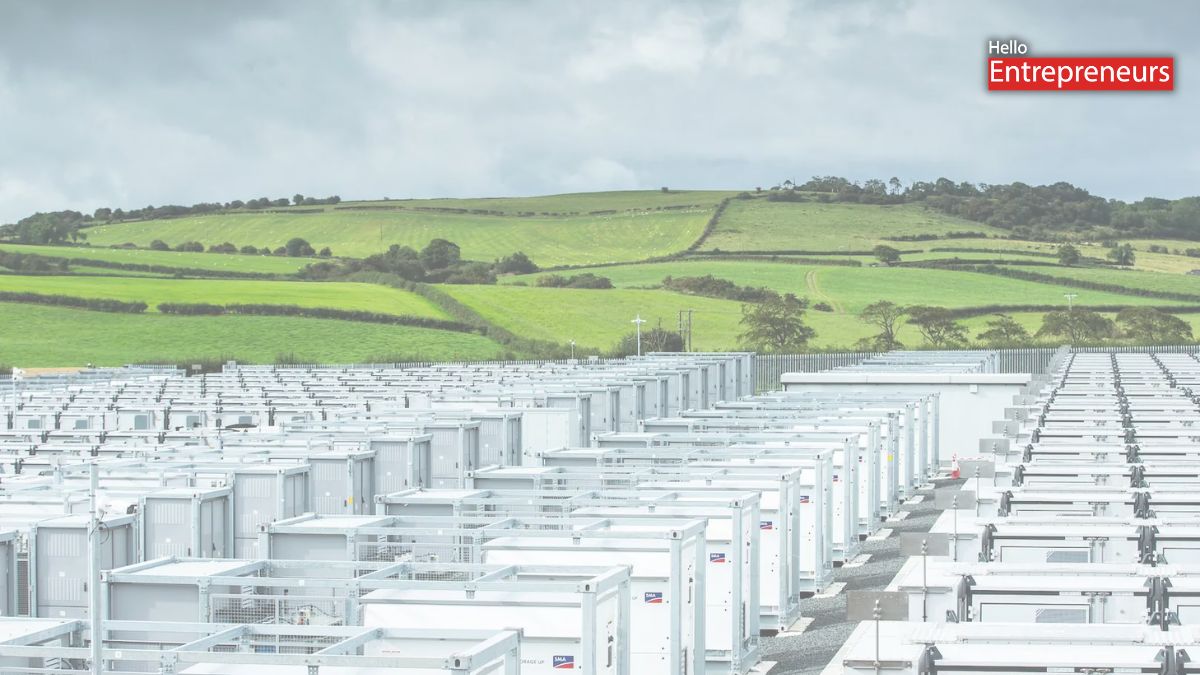
New Delhi, November 5: The Union Cabinet, chaired by Prime Minister Narendra Modi has approved a substantial ₹14,500 crore scheme to offer Viability Gap Funding (VGF) for large-scale grid-scale energy storage systems in India. This landmark policy intervention aims to address the challenge of fluctuating renewable energy demand and supply, enabling effective reallocation of energy supplies when needed.
The scheme is aimed at developing 92 GWh of energy storage capacity across the country, aiming to meet the required grid-scale ESS capacity of 411 GWh by 2031-32, the government said in a press release.
The scheme aims to develop 60 GWh of Hydro Pumped Storage Plant (PSP) capacity, 30 GWh of Battery Energy Storage System (BESS) capacity along with another 2 GWh of alternative energy storage capacity, with an estimated total investment of ₹97,600 crore. The VGF is aimed at helping support the financial viability of these projects and also encouraging the deployment of large-scale energy storage infrastructure in the country.
Under the scheme, the government will allocate storage capacities through a transparent, tariff-based competitive bidding process, open to both public and private sector developers. To boost the Make in India initiative, the BESS component will have a mandatory minimum 40% domestic content requirement.
Currently, India generates about 530-560 GW of energy, with non-fossil and renewable sources making over half of it, and India now successfully satisfies the demand through the national grid without widespread power shortages.
This scheme will help address the fluctuation of supply from renewable sources, which peaks during the day (for solar power) or when wind speed is high (for wind power). But it does not address the challenge with DISCOMs who continue to suffer financially as widespread electricity theft and subsidies provided by the state governments bleed them dry.
Though the government is aiming to address this by installing 250 million smart electricity meters under the Revamped Distribution Sector Scheme (RDSS) only 29% of the target has been met till now, with transmission losses still at 25%, according to a report by the IMPRI.

