



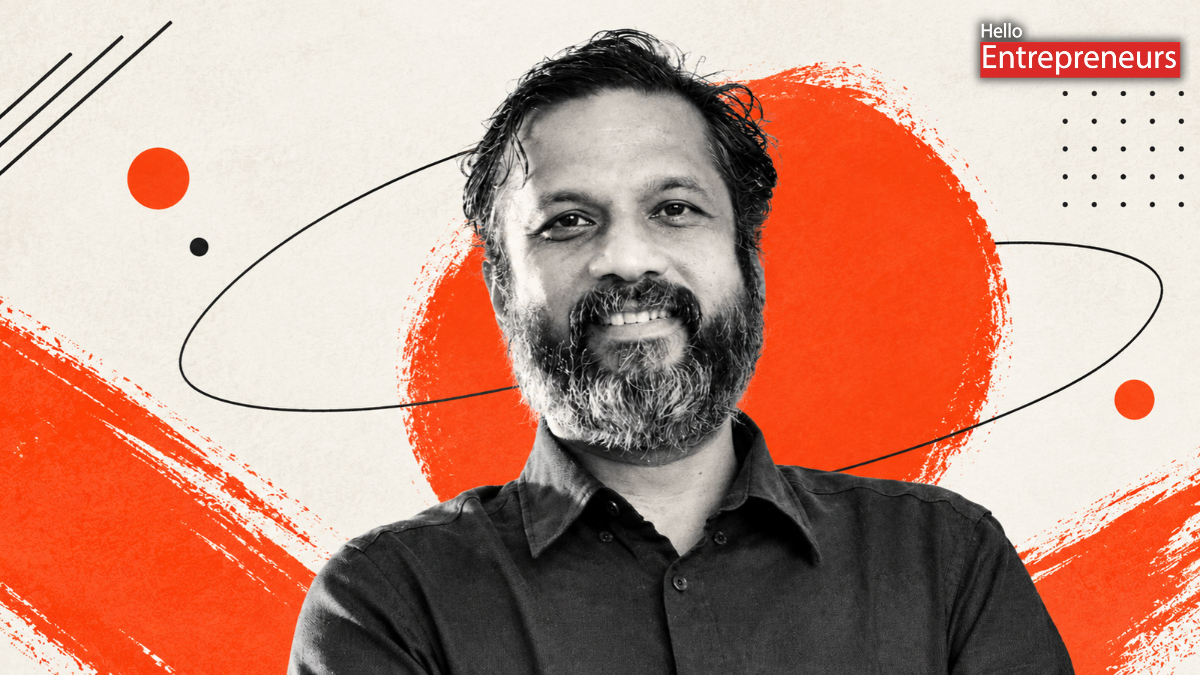
New Delhi: Sridhar Vembu doesn’t usually write in alarm. The Zoho founder is better known for talking about rural hiring, building products slowly and staying away from the startup hype machine. So when he posted a blunt warning about AI and white-collar work on X this week, people noticed. The post had passed 200,000 views within hours, with more than 3,700 likes and 366 reposts.
His central claim is simple. Any job done on a computer now carries a risk, because one smart person using AI can do the work of ten. He added that the risk is “getting ever more real,” which is a notable thing to hear from the head of a software company that sells to businesses worldwide.
But Vembu stopped short of the doomsday version. He said plainly that this doesn’t mean 90 percent of computer-based workers will end up with nothing. That figure has been floating around in debates about AI and employment, and he pushed back on it directly.
His argument is more economic than apocalyptic. If a single person can produce what used to take ten, the cost of that work drops. And when it gets cheaper, businesses that never could have afforded a software engineer or a digital marketer suddenly can. He pointed to exactly those two roles as examples. A small manufacturer, a local clinic or a family-run retailer might now bring in talent they’d have written off as a luxury a few years ago.
So the jobs don’t simply vanish. They move around. Vembu called it a “rebalancing across the economy,” and he didn’t pretend it would be painless. The shift is painful for the people living through it, he said, and his advice was short: accept that it’s coming and prepare for it.
That last line will probably divide readers. Some will hear realism. Others will hear a billionaire-adjacent executive telling workers to brace themselves while the companies building these tools collect the gains. Both reactions are fair, and the replies under his post, which numbered about 174 at the time of writing, seemed to lean both ways.
The context matters here, especially in India. The country’s IT services industry has employed millions of people on the strength of coding, testing and support work, much of it the kind of routine task that AI tools now handle quickly. Entry-level roles in coding and design are the ones many analysts see as most exposed. Layoffs and restructuring across the tech sector, in India and elsewhere, have already made young engineers nervous, and companies keep running AI experiments to see how much of a team’s output a tool can absorb.
Vembu’s “one person equals ten” framing is easy to repeat and hard to verify. It’s an estimate, not a measured figure, and productivity gains vary a lot depending on the task. A developer drafting boilerplate may see a huge jump, while someone handling messy client requirements or debugging an old system may see far less. Vembu didn’t offer data to back the ratio, and the post reads as an observation from someone watching the industry closely rather than a study.
Still, his second point is the more interesting one. The idea that cheaper software talent opens up new demand has historical precedent. Cheaper computing created entire industries nobody had planned for. Whether that pattern holds this time, and whether the new jobs show up fast enough and in the right places to absorb displaced workers, is the part nobody can promise. Vembu himself didn’t.
That may be why the post landed the way it did. It offers no tidy reassurance and no panic, just an acknowledgment that a big change is underway and that some people will get hurt by it. For workers, the practical takeaway is probably the unglamorous one: learn the tools, stay adaptable, and don’t assume your current role is fixed.

