



NEW DELHI: Warehouse space isn’t the scramble it was a few years ago. After a wild stretch of growth and sharp swings, the industrial market feels steadier in 2026. Tenants have choices again, and owners have to compete for them. That puts commercial real estate site selection back in the spotlight. One smart pick can lower costs for a decade.
A Market That Finally Caught Its Breath
Builders went all in during 2023 and 2024. Online shopping was booming, and plenty of companies wanted production closer to home. Then developers hit pause on speculative projects. Patience beat risk. Supply and demand got room to even out, and the sector dodged the sharp correction that overbuilding often brings.
Vacancy has edged up in a few regions, mostly in the Northeast. Look at New Jersey’s I-95 corridor, the Meadowlands, and Central Jersey. Slightly more empty space shifts some power to tenants. Better lease terms, rent concessions, and custom build-to-suit work are all easier to win now.
Efficiency Now Beats Square Footage
E-commerce giants and third-party logistics (3PL) providers still drive most leasing. But their thinking has changed. Bigger isn’t the goal anymore. Companies trim their networks, close overlapping facilities, and chase faster delivery. Supply chain headaches and rising labor and shipping bills taught them that lesson.
Speed to market now outranks raw capacity. A smaller building that puts goods in shoppers’ hands a day sooner can beat a bigger one farther out. Every extra mile costs time and money.
What Tenants Want in a Building
Buildings that save measurable time and effort draw the crowds. The most common requests:
- Clear heights of 36 feet or more
- High-density loading docks
- Large truck courts and plenty of parking
- Strong electrical infrastructure
Location sweetens the deal. A warehouse near New York, Philadelphia, or Boston reaches dense customer bases fast, and delivery costs drop.
Why New Jersey Keeps Its Premium
New Jersey prices hold up well and often top national averages. No mystery there. The state has deep-water ports, extensive interstate access, skilled workers, and little land left to build on. Still, buyers stay picky. They study every deal closely before they commit.
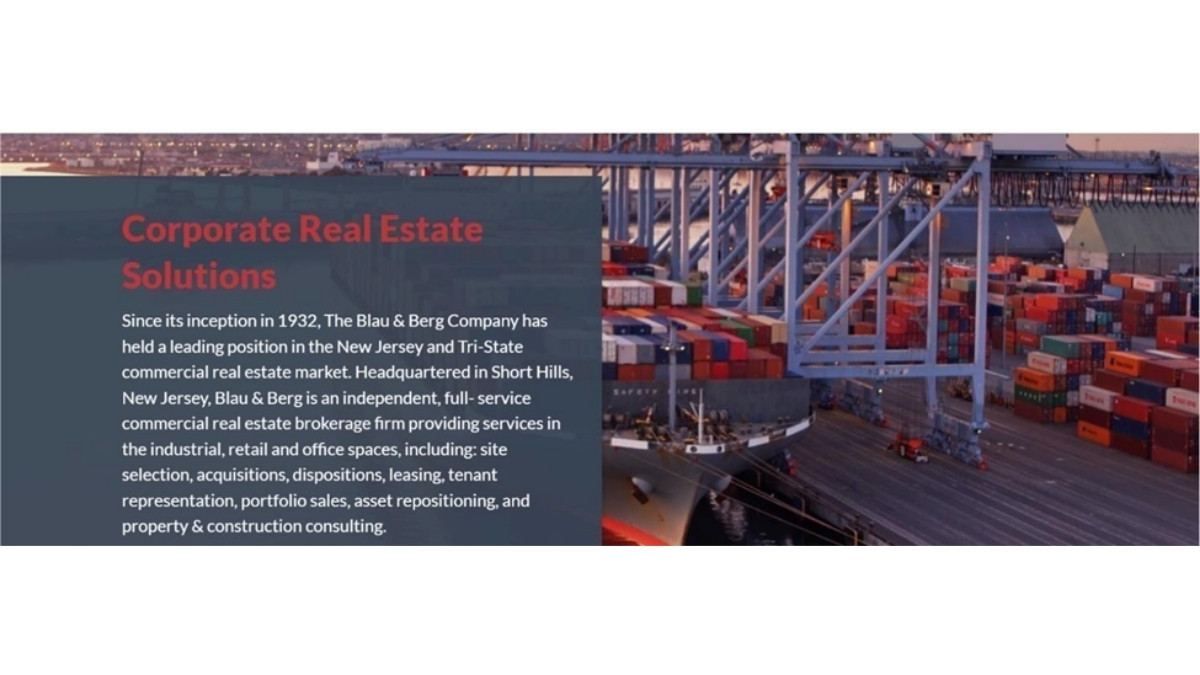
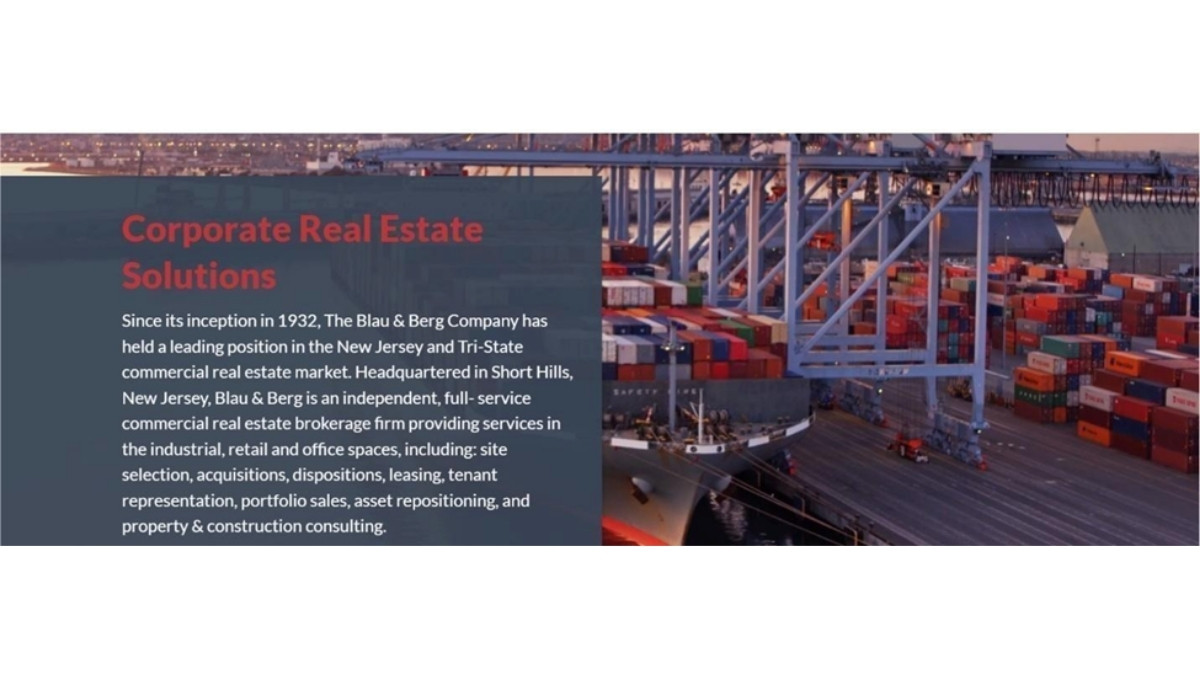
Local brokerages watch these shifts every day. The Blau & Berg Company has worked the New Jersey and Tri-State market since 1932. Site selection sits among its core services. Careful commercial real estate site selection weighs labor, highway access, and rent together, so the chosen spot keeps its value.
Automation and Green Features Become Standard
Automation used to set a building apart. Now tenants simply expect it. Floor plates and column spacing must handle robotic picking, conveyor systems, and autonomous guided vehicles (AGVs). A warehouse that can’t adapt loses appeal quickly.
Green features follow the same path. LED lighting, efficient HVAC, solar-ready roofs, and EV charging all trim operating costs. Some tenants ask for LEED or BREEAM certification to hit corporate carbon goals. Institutional investors like this too. Measurable ESG results make an asset look safer as regulations tighten.
What Comes Next
Winning properties in 2026 share three traits: a location nobody can replace, modern specs, and proven operating efficiency. In New Jersey, that combination keeps delivering steady cash flow and long-term growth. Owners who retrofit older buildings will capture most of the demand. Those who skip upgrades risk fading away.
For tenants, the takeaway is simple. Begin commercial real estate site selection with real operating needs. Then find a building that can grow with the business. A space that fits today but can’t flex tomorrow becomes a costly headache.
FAQs
What is driving warehouse demand in 2026?
E-commerce companies and 3PL providers lead leasing activity. Their focus has moved from adding space to boosting speed and efficiency. Many now close duplicate sites and rightsize their networks to cut labor and shipping costs.
Are industrial vacancy rates rising?
Yes, in several regions. The Northeast has seen a slight increase, including New Jersey’s I-95 corridor, the Meadowlands, and Central Jersey. Tenants now hold more negotiating power, and that extra room lets them push for flexible terms.
What should companies review during commercial real estate site selection?
Clear height, loading docks, truck courts, parking, and electrical capacity top the list. Access to highways and major population centers matters just as much. A local broker, such as The Blau & Berg Company, can compare submarkets side by side.
Why do automation features matter in a warehouse?
Robotic picking, conveyor systems, and AGVs need specific floor layouts and column spacing. Buildings without them struggle to attract modern tenants. Energy-efficient systems and solar-ready roofs also help cut operating costs.

