



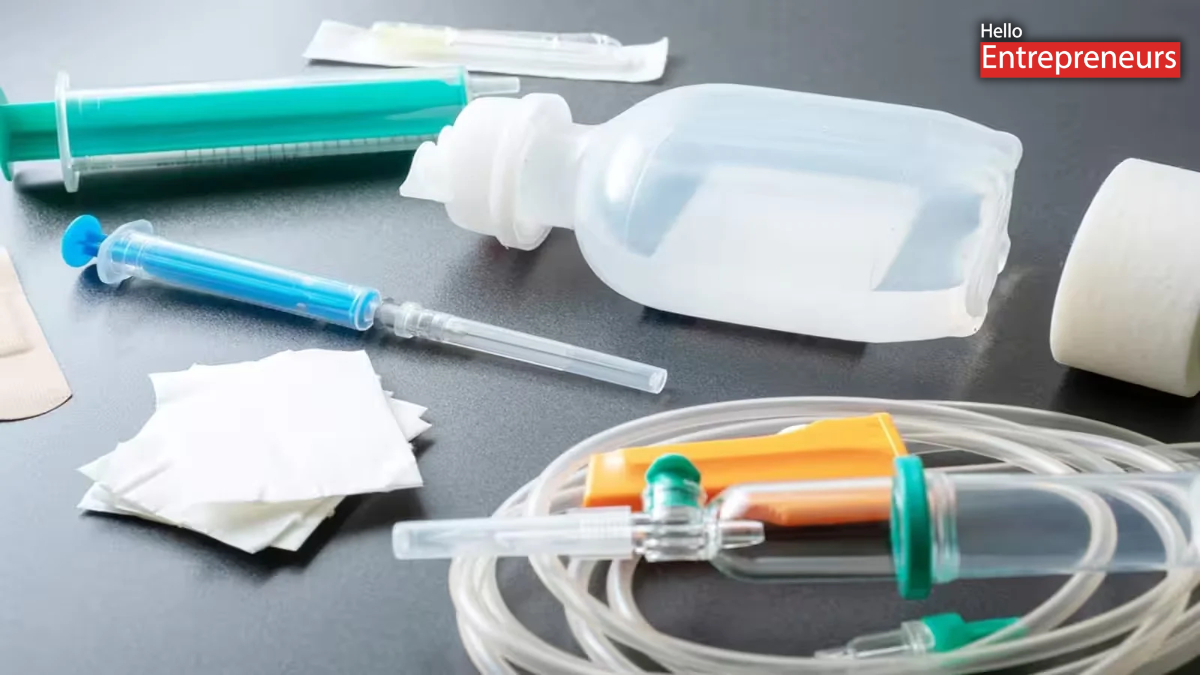
New Delhi: In a new set of guidelines issued by the Centre to the states, it has directed them to refrain from re-using medical devices marked for single use in hospitals. The ban is in effect on all public and private facilities in the country.
The directive was issued by the Directorate General of Health Services (DGHS) on October 16, 2026. It requests the government of the states and UTs to implement the ban and to monitor facilities to ensure adherence to the ban. The ban includes cardiac catheters and dialysis equipment.
The directive says the practice has been spotted in several clinical areas. Cardiology comes first. Catheters and guidewires are used to perform angiography and angioplasty, balloon catheters, and abnormal heart rhythms are treated with a device called a catheter. In some cases, the letter notes, pacemakers removed from patients who have died have been cleaned and implanted in other people.
This is the second area, which is nephrology. Artificial kidneys (dialysers) and some of the needles and tubing for dialysis, blood tubing, are prohibited. There’s even neurosurgery and orthopaedics, including surgical staplers, laparoscopic instruments and drill bits for bone surgery. These include most commonly disposable syringes and needles found in any hospital.
The authorities explained the situation on the plain. Rental equipment is capable of transmitting infections between patients. In addition, they could be defective during the procedure, as a one-time use item might not be fit for use following cleaning and re-sterilisation. The risk is greatest in critical care settings, where those affected are already vulnerable and a complication can be fatal, the DGHS said.
The letter refers to the existing law. The Drugs and Cosmetics Act 1940 and Medical Devices Rules 2017 demand the use of a device according to the manufacturer’s expectations. A single use device is to be used once and only once. The DGHS also referred to “rules of clinical establishment and biomedical waste management” it says that is applicable to the handling and disposal of such devices.
Now a hospital is expected to strictly adhere to the manufacturer’s directions. DGHS hopes state health authorities and drug controllers will continue with regular surveillance and inspections and act against those found violating rules. Staff need to be trained in disposal as well and facilities should ensure they are also trained.
Medical industry groups have come out in support. The primary reason is because of the patient-safety aspect, and have been for a long time, some in the industry have said that re- processing single-use devices can place patients at risk without them knowing.
Others aren’t as at ease. It is the fear of cost that is their concern. If hospitals are no longer able to reuse some of these devices, then costs for each procedure will require a new batch of high-dollar disposable equipment, potentially for patients as well as for health insurance companies. The typical examples given are angioplasty, and dialysis, both of which rely on equipment that can cost a lot of money. The order does not state if there will be any rate cut for the insurance companies or what response is expected from them.
The enforcement will be the difficult thing. Reuse is sometimes occurring without detection within a hospital environment and will require hospitals to review supply records, volumes of procedures and sterilisation logs to detect re-use. The primary responsibility rests with the state authorities, who are very different with regard to their capacity to supervise private facilities and smaller nursing homes.
The order is intended for patients to convey a clear message: “Once used, never reused. If that is the case will depend on the thoroughness of the inspections in the states that are now requesting the Centre to carry out.

