



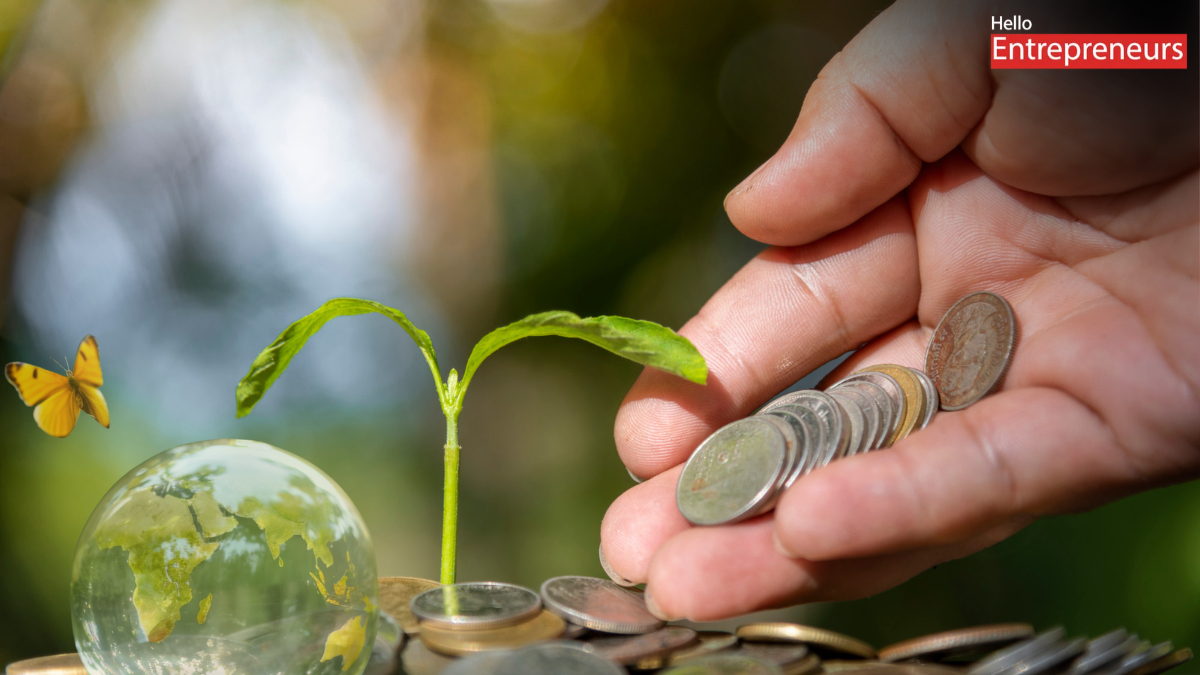
When the UN biodiversity summit kicked off in Armenia on Monday, one big problem was impossible to ignore: countries around the world agreed to pull together at least $200 billion a year for nature by 2030, but the latest figures show actual spending is stuck at just $75 to $92 billion a year from 2023 to 2025. That’s less than half of what’s needed.
For two weeks, from October 19 to 30, delegates at COP17—the big meeting under the Convention on Biological Diversity—are gathering in Yerevan. Their main mission? Figure out how to close that massive funding gap under the Kunming-Montreal Global Biodiversity Framework, which was set out in 2022.
The money promise
Target 19 of the Kunming-Montreal deal laid down a straightforward challenge: governments need to “substantially and progressively” increase the cash for nature from all sorts of sources—domestic, international, public, private—reaching that $200 billion a year mark by 2030. There’s also a call for at least $30 billion a year in international biodiversity finance to flow to developing countries and economies in transition.
This isn’t about feeding money into a single global pot. The aim is to pay for protecting ecosystems, restoring damaged landscapes and coastlines, cutting pollution, combating invasive species, and helping Indigenous peoples and local communities protect biodiversity—all through a mix of national budgets, development finance, private investment, and other sources.
Why the gap’s so wide
First, money is tight everywhere. Wealthier governments are dealing with higher debt, rising defense and security costs, and other priorities at home. That means less room for foreign aid and environmental spending. Astrid Schomaker, who heads the CBD, pointed out the obvious at the summit: wars, debt, and economic woes are squeezing budgets just as nature loss becomes a problem that ignores borders.
But it’s not just about budget pressures. The structure itself is flawed. Too often, spending on biodiversity is treated like a sunk cost instead of an investment that can deliver real returns. Plus, many projects that support nature simply aren’t set up in ways that attract commercial investment—there’s a lack of clear revenue streams, reliable data, or even workable project pipelines. The International Chamber of Commerce has said countries need smarter strategies that connect national biodiversity plans with credible investment projects if they want to unlock private money.
Developing countries face even steeper hurdles. When funding is slow, fragmented, tied up in red tape, or arrives in the wrong form, it ends up not matching what these countries actually need. The Kunming-Montreal agreement is supposed to fix that, pushing for resources to be delivered quickly, effectively, and in ways that are actually usable.
The problem with harmful subsidies
One more headache—public money keeps flowing to activities that damage nature. Governments have promised to start phasing out or reforming subsidies that harm biodiversity. Analysts say that alone could free up around $500 billion for nature. But shifting subsidies away from farming, fishing, or fossil fuels is politically messy, since those changes hit food prices, jobs, and powerful industries. Unless that happens, though, governments could end up funding conservation in one place while bankrolling destruction elsewhere.
Private capital isn’t the silver bullet
With state budgets squeezed, people keep looking to the private sector—businesses, investors, new tools like the Cali Fund, which would turn profits from genetic information into cash for biodiversity. At COP17, lots of eyes are on companies to do more.
Still, private money can’t just fill the gap. Biodiversity projects deliver benefits everyone shares—clean water, pollination, flood protection—but markets don’t naturally put a price on those. For businesses and investors to step in, they need clear rules, trustworthy measurements, less political risk, and a pipeline of projects that actually make sense.
The big decisions at COP17
The heart of the summit is all about making the 2025–2030 resource strategy real and turning that $200 billion headline into actual national finance plans. The draft recommendation on the table admits it: the resource gap is one of the biggest roadblocks to delivering the Kunming-Montreal framework.
So far, 144 countries—including Brazil and China—have drawn up national biodiversity action plans. Still, the big questions in Yerevan remain: Who pays, how much, using what mechanisms, and how fast can that money get to the countries and communities actually protecting the planet’s biodiversity?
Why any of this matters
This funding debate isn’t just bureaucratic bean-counting. UN Secretary-General António Guterres pointed out that biodiversity financing hasn’t even reached half the $200 billion target. A UN assessment from mid-October says less than half the Kunming-Montreal goals are on track.
If COP17 can’t deliver a real breakthrough, we know what happens next—big promises, little follow-through. The real test in Yerevan is whether negotiators can move past just repeating that $200 billion figure and actually agree on ways to raise, redirect, and deliver the money for nature before it’s too late.

