



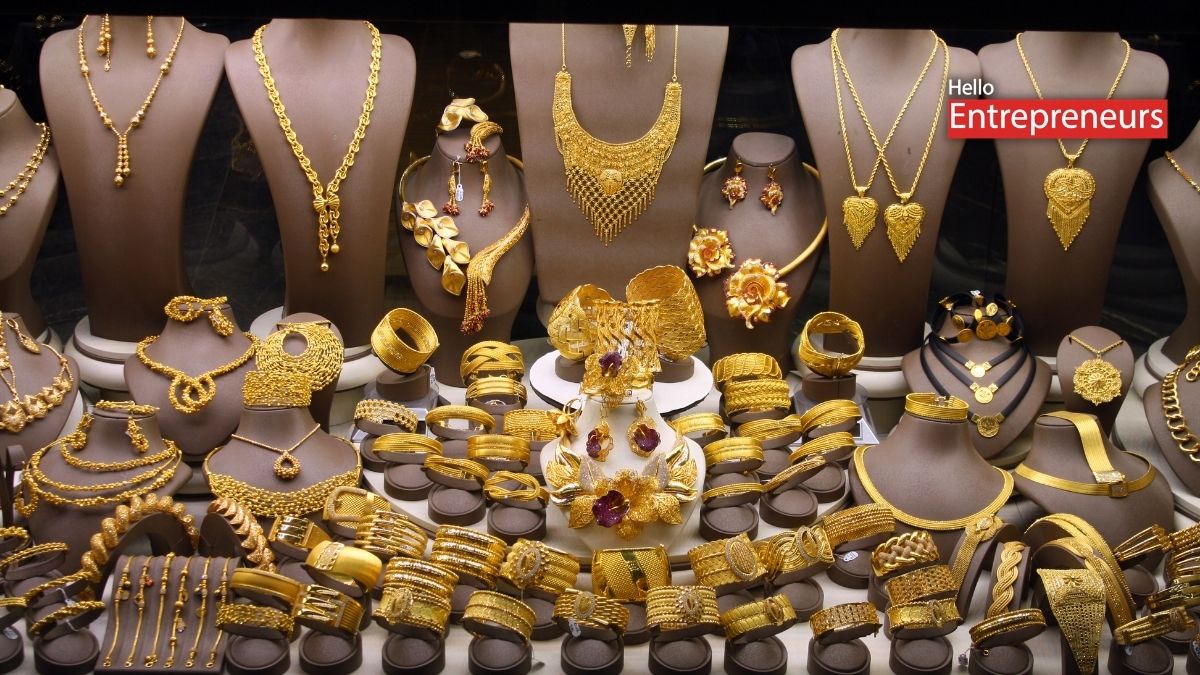
NEW DELHI: India’s gold demand is picking up as the country rolls into its busy festival and wedding season. Falling gold prices gave families and buyers some breathing room, and jewellers are doing their part rolling out lighter designs, new collections, and exchange programs for old gold to keep customers interested.
The World Gold Council’s latest India market update, from October 20, 2026, says manufacturers are seeing strong orders as retailers stock up before this seasonal buying spree. Foot traffic in jewellery stores is also getting better, so it looks like shoppers are getting back into the spirit.
Still, high gold prices affect how people shop. Instead of just buying gold by the gram, families are also thinking about price, design, and the benefits of trading in old jewellery for new.
Now, about those prices gold slipped around 5% in September in India, and international prices fell about 8.5%. That gave folks a bit of relief, especially those buying for weddings and festivals. But even after this drop, gold’s still expensive, and that keeps many buyers careful. People rarely scrap their shopping plans altogether, but they might pick smaller pieces or different styles when prices shoot up.
Jewellers aren’t standing still. They’re offering lighter pieces and different designs so people can stick to their budgets. Old gold exchange deals have become popular too. Customers trade in their old jewellery, and the value is set against the price of the new piece making upgrades easier. The World Gold Council says these exchanges jumped by over 10% from last year and now make up more than half of sales at some stores. It’s a win-win: customers get fresh jewellery without paying full price, and stores get gold they can reuse to meet demand.
Jewellery companies are still making money, though. Big, organized chains saw revenue jump 20% to 30% year-on-year from July to September. Same store sales (so, growth at outlets already open, not just from launching new locations) grew around 20%. In that quarter, the biggest retailers added 42 more stores. Still, higher sales don’t always mean higher quantities of gold sold sometimes, it’s just a matter of pricier gold or people opting for more expensive pieces.
As for gold investing, things look a little different. Gold ETFs saw a surge in net inflows, hitting ₹4,450 crore in September—the highest in seven months. Digital gold buying stayed strong too, with purchases up 5% from August. But demand for physical gold bars and coins cooled a bit with prices settling down, and imports slumped to their lowest since March.
All of this just shows that Indian buyers and investors react differently depending on what’s happening with prices and what kind of gold they’re after.
Looking ahead, the next few months should stay strong thanks to the festival and wedding season. Jewellers are ready with new products and promotions, and shoppers are weighing the best deals, trading in old pieces, and making sure they’re not taken by surprise with extra charges.
Of course, how much gold actually sells still depends on where prices head from here. Cheaper gold would pull in more buyers, but if prices stay high, gold’s not going to fly off the shelves quite as fast.
For now, the focus is on whether those rising store visits and strong retailer orders turn into real, lasting sales. For families and buyers, it’s all about comparing prices, watching out for those making charges, and knowing exactly what the exchange deal involves before taking the plunge.

