



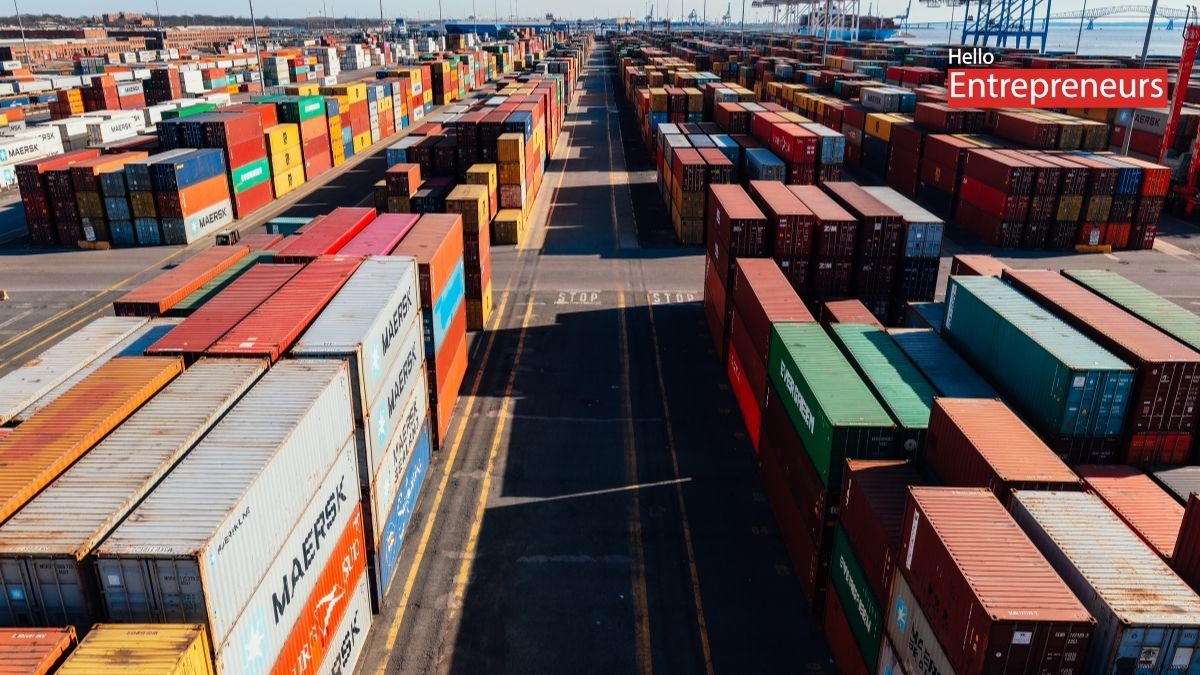
NEW DELHI: India’s exports across both goods and services jumped nearly 14% in the first half of FY27, thanks to stronger demand for manufactured products and steady growth in services.
Between April and September 2026, total exports reached about $476.2 billion. That’s up from $418.3 billion over the same stretch last year. The Ministry of Commerce and Industry highlighted gains in electronics, engineering goods, petroleum products, and chemicals.
This growth comes as Indian businesses push harder to make their mark overseas. More exports open doors for manufacturers, suppliers, logistics firms, and service providers connected to cross-border trade. Still, the flip side is that imports are rising even faster which keeps India’s trade deficit under pressure.
Let’s break it down. Merchandise exports actual goods sent abroad rose 18.5% to $259.89 billion. Non-petroleum goods weren’t far behind, jumping 15.6% to $218.7 billion.
September’s numbers tell a story on their own. Electronic goods exports surged over 70% to $5.31 billion, up from $3.11 billion the year before. Petroleum product shipments rose 32%, and exports of chemicals climbed 24%. Engineering goods stood out too, up nearly 21% compared to last year, hitting $12.17 billion. Cotton yarn, fabrics, and handlooms jumped over 20%.
Clearly, overseas buyers want Indian products across a variety of sectors. For local businesses, this kind of demand can guide everything from production schedules to investment plans. That said, how much companies benefit really depends on their sector and target markets.
Services exports are still a big deal for India. From April to September, service flows—think IT, business, and other professional services—inched up almost 9% to $216.31 billion. This steady performance keeps India’s export base broad and adds a crucial stream of foreign earnings.
For September alone, service exports came in at $36.35 billion, just a hair below last year’s total. The government cautioned that these figures are estimates since the Reserve Bank of India’s data only goes through August. The real story comes through in the half-year numbers, which are more telling than a single month’s results.
Of course, there’s another side to the story: imports. They’re growing even faster. India’s total imports (goods and services) hit $551.13 billion, up almost 16% from last year. That leaves the combined trade deficit at nearly $75 billion a wider gap than the $58 billion shortfall at this point last year.
The merchandise trade deficit alone stretched to about $177.6 billion. But services helped cushion the blow, recording a surplus of $102.7 billion slightly up from last year. Still, export growth isn’t enough on its own; you have to think about what’s coming in, too. Strong imports might point to rising demand for materials, machinery, and energy, but whether this is good or bad for the economy depends on what’s actually being imported and for what purpose.
So what does all this mean for business? For exporters, the challenge now is to keep up with overseas demand while juggling costs, delivery schedules, and ever tougher competition. Electronics and engineering could see continued growth, and services will likely stay strong as well.
The first half of FY27 looks good for India’s exports especially in merchandise but the growing trade deficit is a reminder that export growth can’t carry the whole load. In the months ahead, we’ll see if this pace can hold. For now, $476.2 billion is a significant marker of how much India’s international trade has expanded, and a reminder that staying competitive matters, no matter what you’re selling.

