



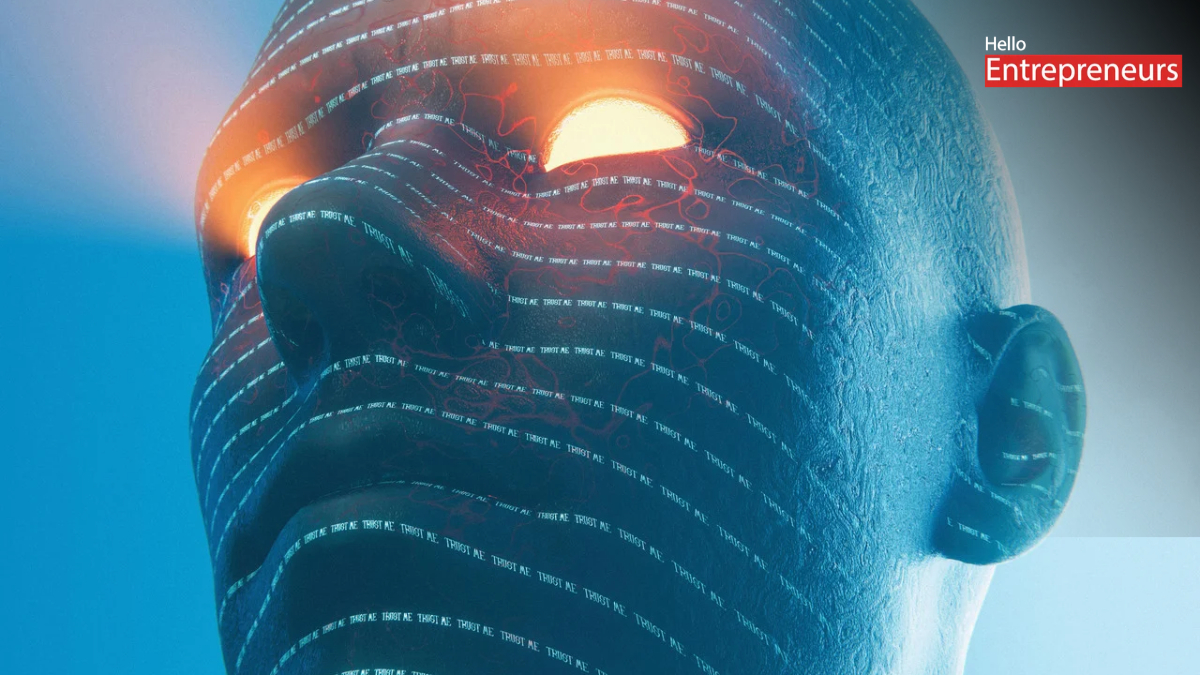
People across the West are growing more uneasy about artificial intelligence. But the real reason often runs deeper than the tech itself. A lot of it comes from longtime worries about automation, privacy, jobs, and control—basically, how much power big institutions hold over ordinary folks. For example, Gallup recently found that in 35 out of 37 countries, people mostly feel worried when they think about AI. Americans, the Dutch, Canadians, and Brits are especially anxious.
You can see that anxiety showing up everywhere. Governments and companies are scrambling to figure out how to handle powerful new AI systems. Just this month, former US Vice President Kamala Harris warned that time was running out to set new AI rules—she pointed to threats like cybersecurity, autonomous weapons, and systems that humans can’t control. Over in Europe, regulators have started enforcing their AI Act, demanding answers from tech companies about safety and security.
US lawmakers, meanwhile, admit they don’t really have the expertise to keep up. At the same time, the biggest tech firms are pushing for new rules that might slow the rollout of the most advanced AI. Clearly, the fear isn’t just for science fiction fans or academics anymore. Now it’s actually influencing laws, elections, and business plans.
Why are people this on edge? It comes down to familiar worries: machines taking jobs, big business watching everyone, and complicated systems running wild without public oversight. AI cranks all those anxieties up at once. Sure, it’s pitched as a way to make everything more efficient. But people see the other side—threats to jobs, more invasive data collection, and too much control concentrated in a handful of powerful companies.
That helps explain why even regular AI users aren’t at ease. Check out Gallup’s numbers: nearly 70% of Americans who use AI every day still feel worried about it. Even people who use it less—or never—aren’t much different. So, getting used to AI doesn’t automatically make people trust it.
The biggest reason is probably economic insecurity. In the West, a person’s work is a huge part of their identity—skills and achievement matter. But now AI can handle tasks that once felt uniquely human—writing, coding, analysis, even creative work. People aren’t just worried about losing jobs. They’re asking: what happens to my place in society if a machine can do what I do? That’s a tough question in societies where labor protections and safety nets aren’t the same for everyone.
Privacy is another big sticking point. Western culture is all about individual autonomy, but AI needs massive amounts of data—details about what people do, buy, and even think. Nobody wants to feel watched every step of the way, especially if companies or algorithms use their data for pricing, hiring, or policing.
Take “dynamic pricing” in stores. US shoppers flipped out when they learned that AI could adjust prices based on a person’s data. Suddenly, people worry that they’re being charged differently for the same thing—or just being monitored too closely. It’s not just about whether the tech works. It’s about whether people have any control over their own information.
There’s also a bigger issue here—trust. People already don’t trust tech companies, governments, or media much. So when these same people build or regulate AI, skepticism goes through the roof. In a New England poll last fall, people worried about the environment and community disruption from data centers. But even higher up the list: general distrust of the tech and the people running it. Thirteen percent just flat out didn’t trust AI or those behind it.
Look at how the West is reacting through regulation. The European Union is all about rights, risks, and transparency in their AI Act, especially with high-stakes stuff like hiring or tech aimed at kids. The US is taking a more scattered approach, trying to keep one foot in innovation and the other in security and competition.
These aren’t just technical decisions—they’re cultural ones. Europe sees AI as a social and rights issue, while the US frames it more around competition and security.
Some people like to brush off AI fears as irrational or anti-technology, but that misses the point. Most folks aren’t fighting the tech itself—they want things like accountability, job security, transparency, privacy, and a genuine way to have their voices heard as AI becomes a bigger part of daily life.
AI will keep getting smarter. But public trust? That’s up in the air. It’ll depend a lot more on whether the people in charge respect core values—autonomy, fairness, dignity, democracy—than on flashy new features or technical breakthroughs.

