



Japan just pulled off a bold move in space exploration—it’s sent a spacecraft on a first-of-its-kind round trip to Mars’s mysterious moons, with plans to scoop up soil from Phobos and bring it back to Earth. Nobody’s done this before.
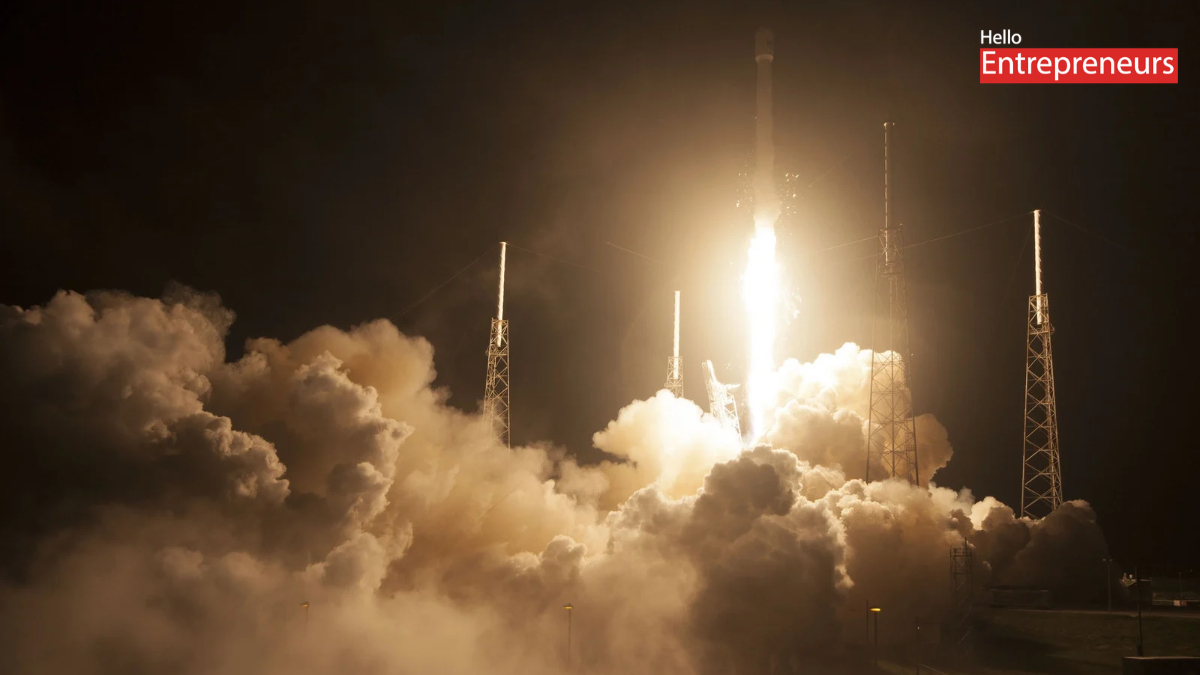
Early Tuesday morning, Japan’s MMX spacecraft—short for Martian Moons eXploration—launched on an H3 rocket from Tanegashima Space Center. JAXA, Japan’s space agency, streamed the launch live. Now the spacecraft is heading toward Mars, ready to make history.
So, what’s so special about MMX? It’s set to become the first mission ever to snag material from the Martian system and bring it home. Its main target is Phobos, the larger and closer of Mars’s two odd little moons. MMX will take a close look at Deimos, the smaller moon, but it won’t actually land there.
JAXA says MMX will scoop up at least 10 grams of dirt from Phobos. The plan is to arrive in Mars’s neighborhood around August 2027, then spend about three years doing science before sending a sealed sample capsule back to Earth in 2031. If all goes well, that capsule should land in Australia’s Woomera Prohibited Area, a vast patch of desert set aside for these sorts of adventures.
Why go after Phobos? Well, Phobos and Deimos have stumped scientists for ages. Some think they’re leftover bits from a monster impact on Mars. Others say they’re captured asteroids that got snagged by Mars billions of years ago. Phobos is especially interesting—because it’s small and hasn’t changed much, its surface could hold secrets about Mars’s early days and the solar system itself. Studying its soil should help settle the debate about where these moons came from and maybe even tell us how water and organic stuff traveled around the early solar system. That’s the kind of insight that could reveal how Earth—and maybe even Mars—became places where life could happen.
JAXA isn’t doing this alone, by the way. NASA’s on board too—they’re providing a spectrometer that’ll measure what Phobos is made of, a piece of sampling tech, and communication support using the Deep Space Network. NASA will get about 15 percent of the Phobos samples back at its Houston lab, so scientists everywhere will get a crack at studying this stuff for decades. There’s also a small rover, developed with international partners, which should touch down on Phobos before the main spacecraft tries its luck. JAXA plans two landings: one for the rover and another for the main event.
This mission? It’s a serious challenge. MMX has to cruise through space for about a year just to reach Mars. Once there, it’ll operate around a lumpy little moon with almost no gravity—land safely, grab samples, then make a year-long trip back home. There’ll be long gaps in communication (up to 44 minutes each way), strict limits on fuel, and wild temperature swings throughout the five-year journey.
Still, JAXA has experience with tricky missions. Remember Hayabusa and Hayabusa2? They brought back material from asteroids. MMX aims to build on that know-how and push things even further.
Next steps: MMX will first slip into a close orbit around Phobos, mapping its surface and scouting for the best spots to land. After checking out the options, the team plans to collect samples from two different sites, probably starting in late 2028. Once that’s done, MMX will swing by Deimos, then head back toward Earth in 2030, aiming to deliver the precious cargo in 2031.
For now, all eyes are on the spacecraft—making sure it’s healthy and heading in the right direction. The big moment everyone’s waiting for is its arrival at Mars in August 2027. Buckle up, because this is just the beginning.

