



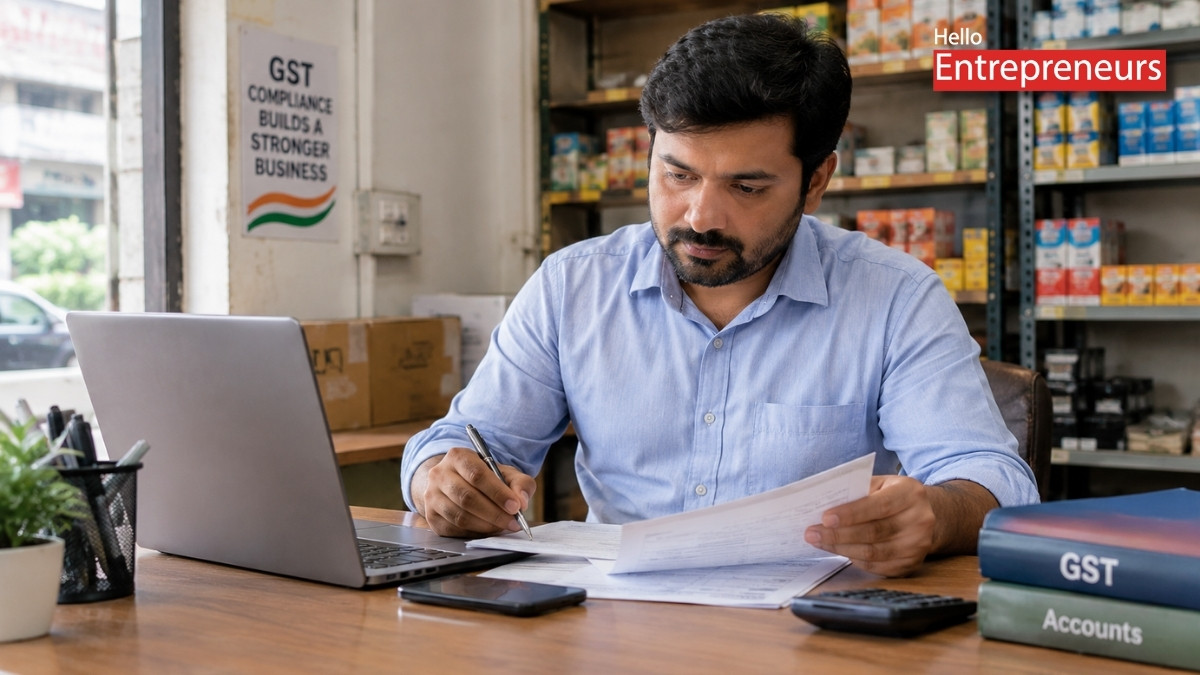
NEW DELHI: The proposed changes in GST compliance may impact how Indian businesses deal with invoices, avail of input tax credit and file returns. In particular, for small manufacturers, traders and service providers, the focus is on how the proposed changes may streamline the process to avoid paperwork, avoid mismatch in credit and facilitate ease of tax compliances.
Recently, at its 57th meeting held on 10 October 2026, the GST Council recommended a new set of process reforms covering invoice management, return reconciliation, registration and refunds. Not all announcements are immediately mandatory. You are required to adhere to the existing rules until the specific changes become effective.
What are the changes in GST compliance?
The proposed reforms are focused on greater consistency in the information being reported across different GST returns. The idea is to minimize the difference in the reporting of sales by suppliers, purchases by buyers and claim of input tax credit in the returns.
The government has proposed enhancements to GSTR-1, GSTR-1A, GSTR-3B and electronic statements for facilitating better reporting of tax liability and input tax credit by the tax payer. The government has also proposed an alternate mechanism to address certain mismatches in the tax liability and input tax credit from the April 2027 return period.
How Invoice Matching & Input Tax Credit Works
As long as you meet certain conditions in law, you can use input tax credit (ITC) to set off the GST you paid on purchases you make (for certain business expenses) against the GST you charge on your sales. So if you are a manufacturer and pay ₹10,000 GST on qualifying raw materials, and you charge ₹25,000 GST on sales, your net tax bill could be reduced to ₹15,000 – again, if you meet the relevant conditions.
But if a supplier makes a mistake in reporting invoices, or is late or misses out a transaction from the right records, then buyers could end up having to check things against GSTR-2B in the purchase registers and chase suppliers for changes, etc.
The Invoice Management System helps you see what your suppliers are reporting for ITC purposes. The Council has advised on some more refinements for reconciling and credit reporting. Not all new ideas are necessarily mandatory.
What do SMEs need to do?
For small scale manufacturer, delayed/incorrect credit will impact their cash available for purchasing raw materials, wages, other cost for operating business. For traders they may have to keep chasing for supplier invoices. For service provider, they have to go and check the eligibility, report credit for business expenses.
Businesses can be prepared for it by:
Correctly capture invoices
Look at GSTR-2B vs Purchase records
Chase for missing documents
Keep documents for transactions
Check latest GST notifications before changing your way of filing
These actions are always helpful under current frame work – irrespective of timing of new measures.
Will it make it easier for GST compliance?
The proposed changes should help reduce the repetitive activities of reconciliation & earlier detection of errors. Further the council has suggested few changes in the registration process and speed up the refund processes which may help eligible tax payers.
It is not like digital systems can solve all issues automatically. You still need to keep proper records. Eligible claims for credit. Timely communication with your suppliers. Formal implementation of some changes is required for tax payers to leverage the change.
The key for small business is knowing what is the current position, being ready for changes we know about, and not thinking proposals are the law.
Better handling of invoices may help cash flow and reduce admin. But it is all about how well the reforms are implemented.

