



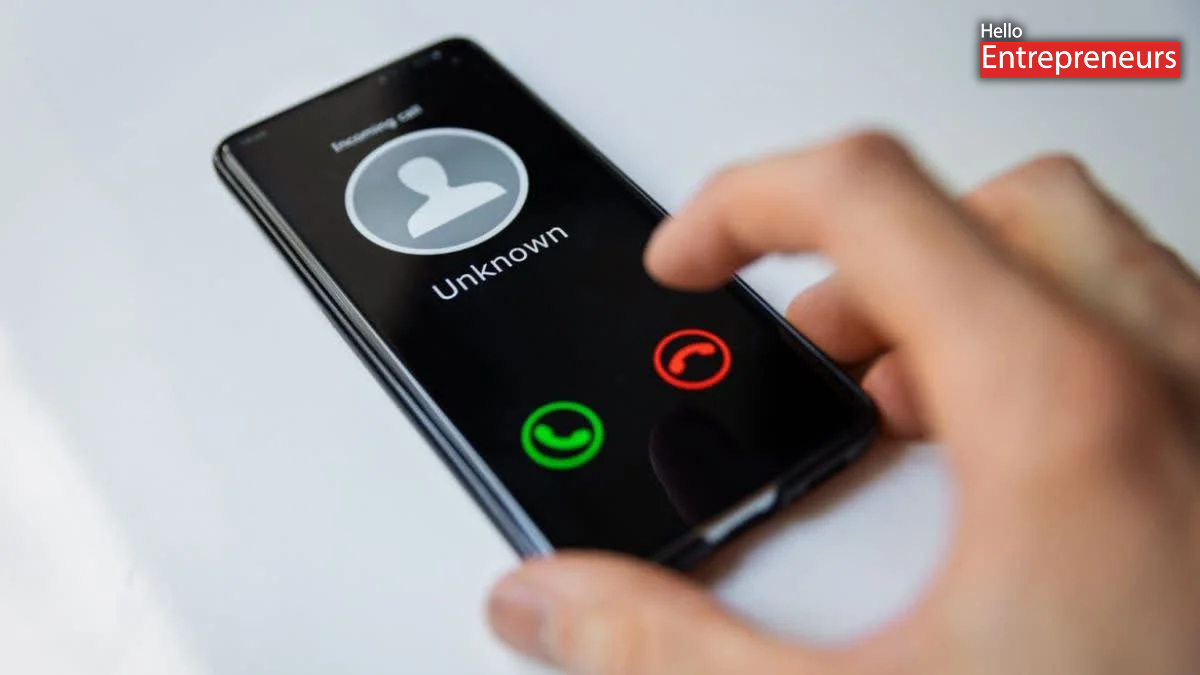
New Delhi: Save the date on November 1 from the widely circulated messages on X; AIRTEL, Jio and Vi users will see the name of the unsaved caller on 4G and above networks. Here is a list of the unsaved caller with their name displayed on 4G and higher networks from widely circulated posts on X from November 1. Those posts are what you should check for the date, with your operator. International calls will display “International Call” and saved contacts will retain the names the user gave to them.
Currently Indian networks only display a number. While present systems are capable of Calling Line Identification, which gives the number, but not the name, DoT has observed that these systems are limited. The new service, called Calling Name Presentation (CNAP), fetches and displays the name of the verified person from the operator’s KYC database, even if there’s no Internet connection.
This is largely because of fraud. There are continuous calls received by the Indians from people claiming they were officers from banks or couriers and police officers. A verified name may aid in reducing spam and cybercrime, like financial attacks and digital arrests.” If there is no personal name displayed on the screen, or an unrelated name, then the caller pretending to be your bank will appear not to be your bank.
It also alters the identities of the people who can identify callers. Lots of Indians have actually made use of Truecaller and other applications. These rely on crowd-sourced labels, contact synchronization and an internet connection. CNAP doesn’t require Internet access, syncing contacts, or user-made labels – and the name displayed is based on official telecom records. It’s a capability that can be used on any cell phone that receives a call, and that’s important because many of them, including older users and first-time buyers, don’t install a caller ID application.
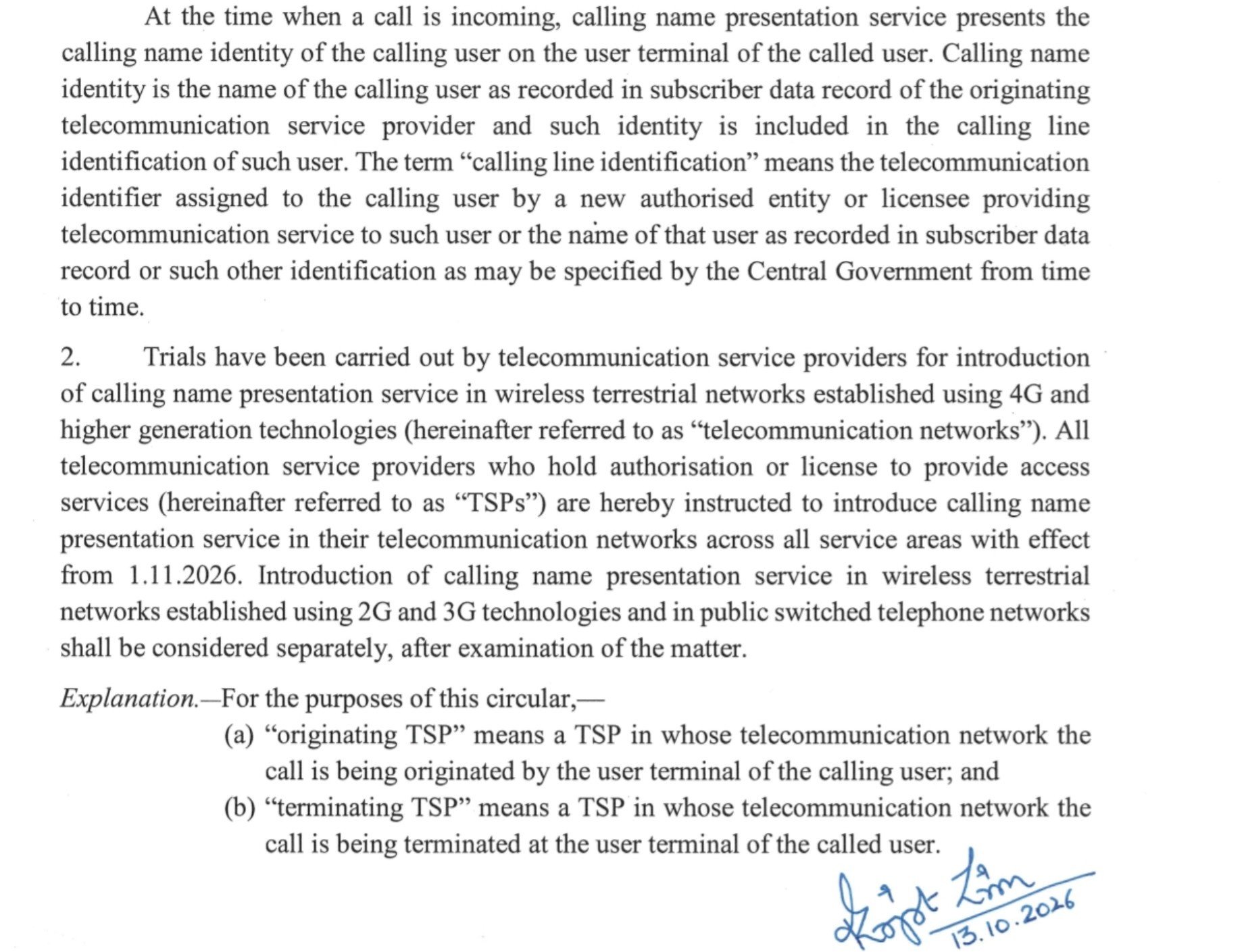
The implementation has not gone down smoothly. Legacy networks don’t have the software updates required in circuit-switched systems, and the feature won’t be offered for 2G users, operators have said. Some providers now say that they may have delays in connection and increased expenses.
The other open question up for grabs is privacy. Activated by default, but can be switched off via the operator. It is expected that only limited line users, like the ministers and senior officials will hide their names from recipients. Registered users, including female customers who contact unknown men for delivery or transportation, may be interested in which name their name will appear.
There is also the issue of accuracy to be taken into consideration. A name is worth what you say it’s worth in the KYC record that accompanies it. The SIM card will be registered in the name of the person that made the registration, and the business number can be the name of an individual you don’t know rather than the brand name. CNAP provides information to you regarding the name of the SIM which is not always the name of the person calling.
But the general direction is set. India would like networks to verify the caller, rather than narrowcasting it through the app. When the system operates at scale – an unknown number will no longer be a mystery. The impact it has on blocking calls from scams will become clear over the coming months.