


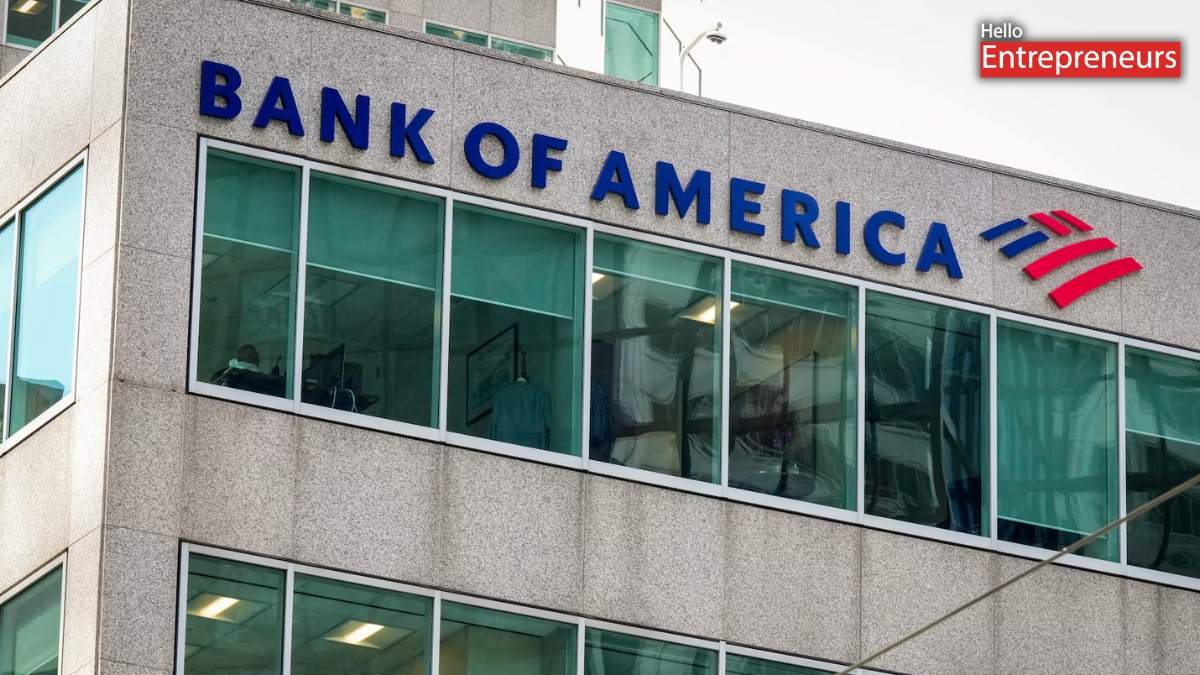
New Delhi: Bank of America will be facing over $1.21 billion in federal fines for failing to report more than $5 billion in suspicious transactions and not properly addressing weaknesses in its anti-money-laundering systems.
The action, announced Tuesday, is the largest in Treasury Department history of the three, and a third-largest fine in its history. The lion’s share is a $1.2 billion fine from the Financial Crimes Enforcement Network (FinCEN), a Treasury department bureau that upholds anti-money laundering regulations.
Three penalties, one headline figure
The overall $1.21 billion figure includes the total of several actions. FinCEN’s $1.2 billion evaluation also encompasses the bank’s main national regulator, the Office of the Comptroller of the Currency (OCC), who fined the lender $750 million. OCC stated that it has never imposed such a fine on a bank before. The other $11.6 million fine levied by the OFAC was for over 400 alleged sanctions violations in various programs.
Adding up the single payments, but removing the credit, would create a total of approximately $1.96 billion, according to one trade publication. The overlap is reflected in the numbers Treasury releases as its headline.
What regulators found
Treasury says over $1 billion of those unreported transactions were related to “national security-related and other priority illicit finance risks. These included the activity of money laundering networks and fraud within China, and significant evidence of trade based money laundering activity with a close connection to the southwest border. Red flags raised by regulators are also related to possible proceeds of narcotics trafficking which were not acted on promptly.
Bank of America acknowledges that it “willfully violated” the provisions of the Bank Secrecy Act to fail to maintain adequate safeguards or to report potentially suspicious transactions, FinCEN stated. The agency also complained that it had been lax on doing proper due diligence into foreign correspondent accounts.
More than a year after the bank was placed under an order to remediate its systems, the OCC claimed that it was unable to detect suspicious activity being escalated for review due to a defect in its transaction monitoring program, which allowed potential trade-based money laundering to go through.
A problem regulators had already flagged
The penalties are related to a consent order issued by the OCC in December 2024, mandating the improvement of the bank’s anti-money laundering and sanctions’ compliance procedures. That order referred to late suspicious activity reports and shortcomings in customer due diligence. There was no monetary penalty at the time and the bank did not admit to or deny the findings.
The OCC noted that the ongoing abuse following this order justified issuing the largest fine ever against a bank for civil penalties. In the statement, Treasury said that should a bank of this size fall short of settling its debts, the ripple effects would not stop at its doors, but instead would pose serious risks to the US financial system where more innocent financial institutions could be involved in illicit finance.
This is the second time Bank of America has been criticized for such issues. The Securities and Exchange Commission (SEC) in June slapped a fine on its Merrill Lynch brokerage of $7.5 million for failing to submit suspicious activity reports from April 2020 to September 2024.
Market and financial impact
The announcement came a day before the bank is set to report its third-quarter results. Those results will include a $1.2 billion non-tax-deductible charge which will cut after-tax profits by about 17 cents per share, a spokesperson said. Stocks dropped on the after hours market after the announcement.
Part of a wider crackdown
The action falls during a time of increased scrutiny of the industry. American Express was slapped with a $350 million penalty for these same anti-money-laundering failings only days ago, Reuters reported. In recent years, other large financial institutions such as TD Bank and Wells Fargo, have been subject to similar regulatory action, for similar compliance issues.
The price the bank will pay is going to be money but the bigger test could be remediation. Regulators have indicated that if there are repeated problems with known issues, they will be more severe than the initial problems. Bank of America has indicated that it has very strict anti-money-laundering protocols and expects to comment on the issue on Wednesday when it releases earnings.