






New Delhi: Sportswear is no longer a market where a famous logo is enough to keep customers coming back. Running has become a major growth area, smaller brands have built strong communities and shoppers have more choices than ever.
Nike, despite its size and global recognition, has felt that change.
The world’s biggest sportswear company is still a powerful brand. But its recent performance shows that some of the momentum it enjoyed for years has faded. Nike’s latest quarterly revenue fell 4% to $11.2 billion, while the company expects revenue to decline by a high-single-digit percentage in fiscal 2027.
So, what went wrong?
Nike lost some of its product edge
For years, Nike had a simple formula. It combined popular products with major athletes and strong marketing, turning sports shoes into lifestyle products as well.
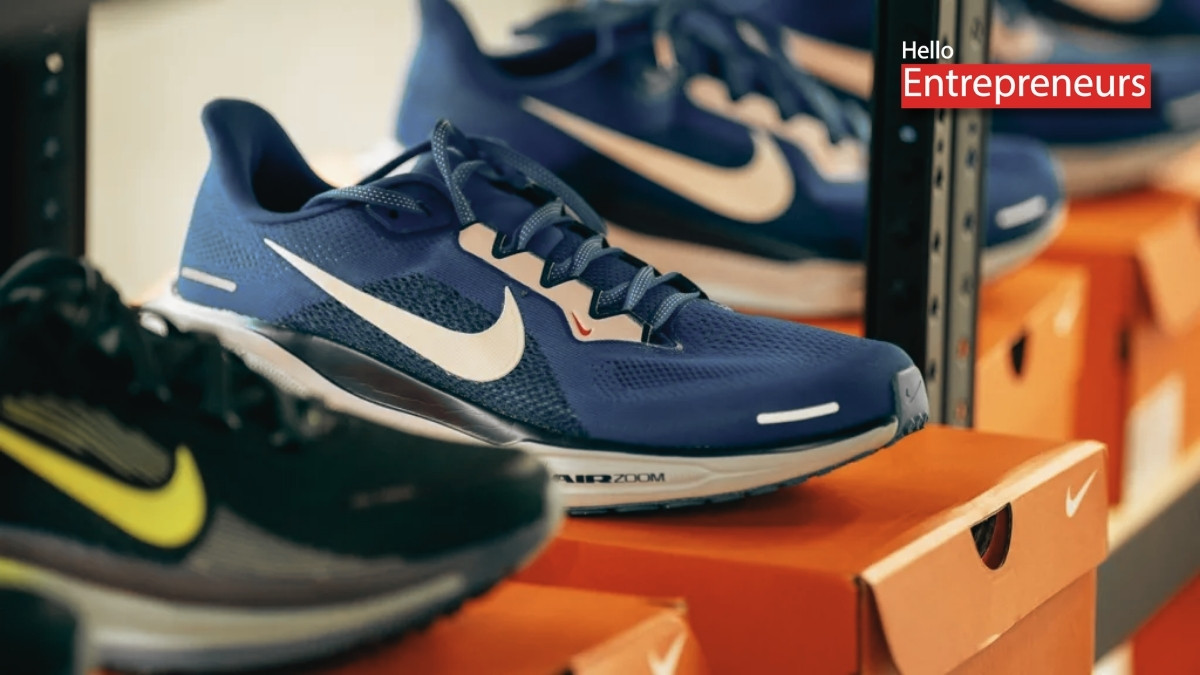
That worked particularly well for Air Jordan and other retro sneakers. But the market has moved on. Running and performance footwear have become more important, while brands such as On and Hoka have attracted customers with newer products.
Nike’s challenge has been keeping its product pipeline fresh while still managing a huge existing business.
The company has recognised this. CEO Elliott Hill has been trying to shift more attention back to sport and reduce Nike’s reliance on older lifestyle products. Running is one of the categories where Nike is looking to rebuild its position.
The problem is that product cycles take time. A new shoe cannot immediately change the direction of a company that sells across hundreds of markets.
The digital push created another problem
Nike also made a major change in how it sold its products.
Under former CEO John Donahoe, the company put more emphasis on direct sales through its own stores and websites. During the pandemic, that strategy made sense as shoppers moved online.
But Nike eventually pulled back from several wholesale relationships. That gave the company more control over its retail experience, but it also reduced the number of places where customers could see and buy Nike products.
Nike is now rebuilding some of those relationships.
The numbers explain why. During the first nine months of fiscal 2026, Nike Direct revenue fell 5%, while digital sales declined 12%. Wholesale revenue, meanwhile, rose 7%.
Wholesale is not a magic solution, but the figures show that Nike’s earlier shift towards direct sales did not deliver the sustained growth the company wanted.
China has become a bigger challenge
China was once an important growth market for Nike. It is now one of its biggest problems.
Nike’s Greater China revenue fell 13% on a currency-neutral basis in fiscal 2026. In the latest quarter, revenue in the region dropped 26%.
Local brands such as Anta and Li-Ning have become stronger competitors, while Chinese consumers have also shown greater interest in domestic brands.
Nike is responding by adjusting its product and retail strategy in the country. But rebuilding demand in such a large market will take time.
Competitors have found an opening
Nike’s struggles have also given rivals more room.
On and Hoka have gained attention in running, while Adidas has also managed to refresh parts of its product range. Smaller brands have an advantage in one respect: they can focus heavily on one category and react quickly when consumer preferences change.
Nike’s size is a strength, but it can also make change slower.
Even the movement of athletes between brands has become part of the story. Football star Kylian Mbappé recently moved from Nike to On after a relationship with Nike that lasted around two decades.
One athlete does not determine the health of a company, of course. But it reflects the wider competition for relevance in sportswear.
Hill’s turnaround will take time
Elliott Hill returned to Nike as CEO in 2024 with the task of resetting the business. His strategy includes rebuilding wholesale partnerships, putting greater focus on sport and simplifying the company.
Nike is also cutting costs. The company has announced restructuring measures expected to generate about $2.5 billion in savings by fiscal 2031.
Those savings can help the business, but they cannot solve the biggest issue on their own.
Nike ultimately needs products that customers want to buy without waiting for a discount.
That is the real test ahead. The company still has enormous global reach, major athlete relationships and one of the world’s most recognisable brands. But the market has changed, and Nike now has to show that it can change with it.
The next phase of its turnaround will depend less on its past successes and more on whether it can create products that make consumers excited about Nike again.