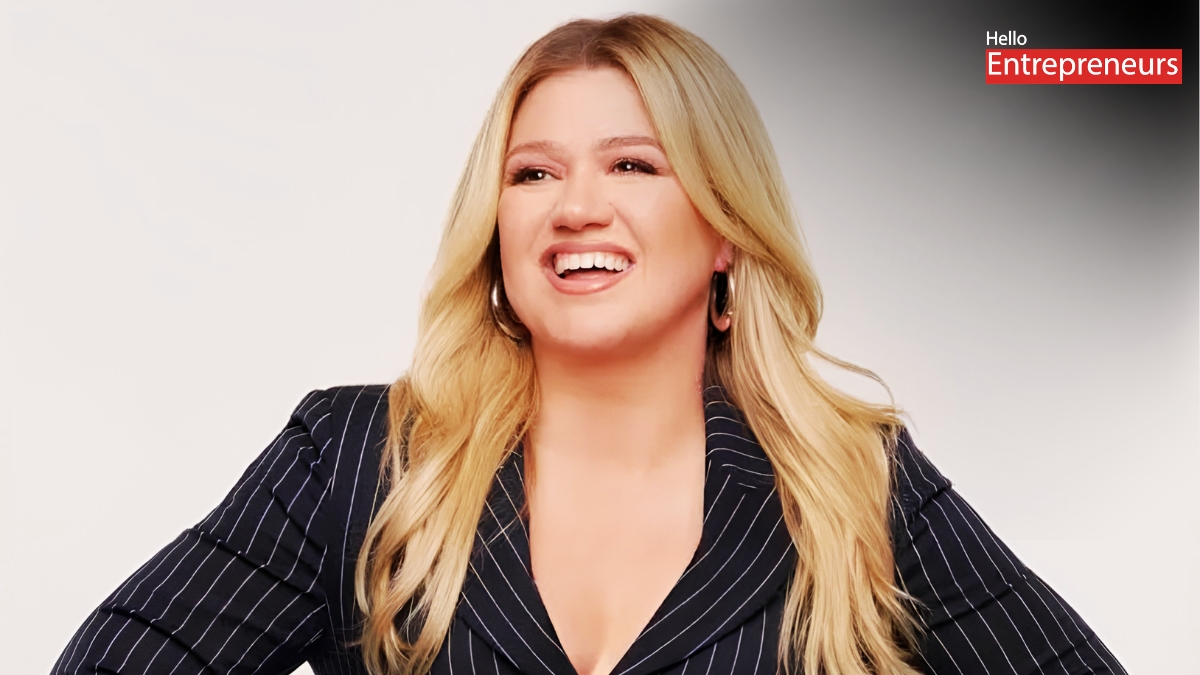







Kelly Clarkson, Grammy winner and TV host, just jumped into the AI-in-music debate and she isn’t mincing words. On the Las Culturistas podcast, Clarkson said she’s all for the creative power AI brings, but she’s drawing a line: AI-generated artists shouldn’t compete against humans on the same music charts.
She put it pretty simply—it’s not about shutting AI out, it’s about fair play. “It’s like having the Olympics and letting robots race humans,” she joked. Mixing them together just isn’t a level playing field.
During the podcast’s “I Don’t Think So Honey” segment, Clarkson made her view clear: “There should be a separate chart. I think it’s welcome at the table, and I love what we’re going to create with AI in music. People who couldn’t do certain things before can do them now.” But when it comes to head-to-head competition, she doesn’t budge: “When you see AI artists competing on a chart with humans, I have an issue.”
She’s speaking up right as AI songs and virtual performers are hitting Spotify and TikTok left and right. With all these new tools that can fake a voice, write a melody, or clone a songwriter’s style, the doors are wide open for new ways to make music. That’s exciting, but for a lot of industry folks, it also raises tough questions about jobs, credit, and what counts as “real” music.
Right now there aren’t any official rules about who belongs on which chart: real-life singer-songwriter or algorithm? That means when artists like Clarkson take a stand, people listen. She isn’t shutting out AI entirely, but she wants clear boundaries—AI should have its own space for recognition and rewards.
Her proposal? Give AI music its own chart—a way to let both worlds thrive without blurring them together.
Not everyone’s on board, though. Her “I love AI” line sparked reactions, with some fans praising her for seeing both sides, and others worrying that even acknowledging AI “artists” legitimizes them in a way that could hurt actual musicians. Some people got hung up on her saying she “loves AI,” reading it as giving the green light to tech that could take human jobs. But she pushed back: “I’m not against it… I’m just hardcore against it replacing [humans]. I think both can exist.”
Clarkson didn’t go into all the details about how an AI music chart would work, but it’d need clear guidelines. Which songs are mostly made by humans, and which ones are mostly the work of algorithms? Who decides? Chart makers would have to spell that out to keep things fair and avoid confusion.
Supporters think a dedicated AI chart could highlight AI-generated tracks without overshadowing human artists. It would also give tech-driven creators a space to do their thing. Critics, though, warn this could muddy the waters even more, or encourage people to pump out fully synthetic songs just to top the charts.
Throughout the whole conversation, Clarkson kept coming back to the heart of music—real human emotion. “We can’t lose human. We can’t lose what that is. But there could be an appetite for both,” she said, hinting that listeners might actually want both types of music to exist side by side.
One upside she mentioned is that AI could open up music-making for people who haven’t had the access or skill before. That’s a good thing. But she’s careful—it shouldn’t come at the cost of what makes human artistry special, especially where awards and top rankings are at stake.
And that’s the real issue for the music business. Labels, streaming platforms, and chart managers are all trying to figure out how to recognize AI-powered music without burying human musicians. As AI tools keep getting better, drawing that line is going to get trickier and more urgent.
For now, Clarkson says it straight: let’s use AI to push creativity, but don’t mix up the competition. Give AI music its own lane, and let humans keep theirs.